
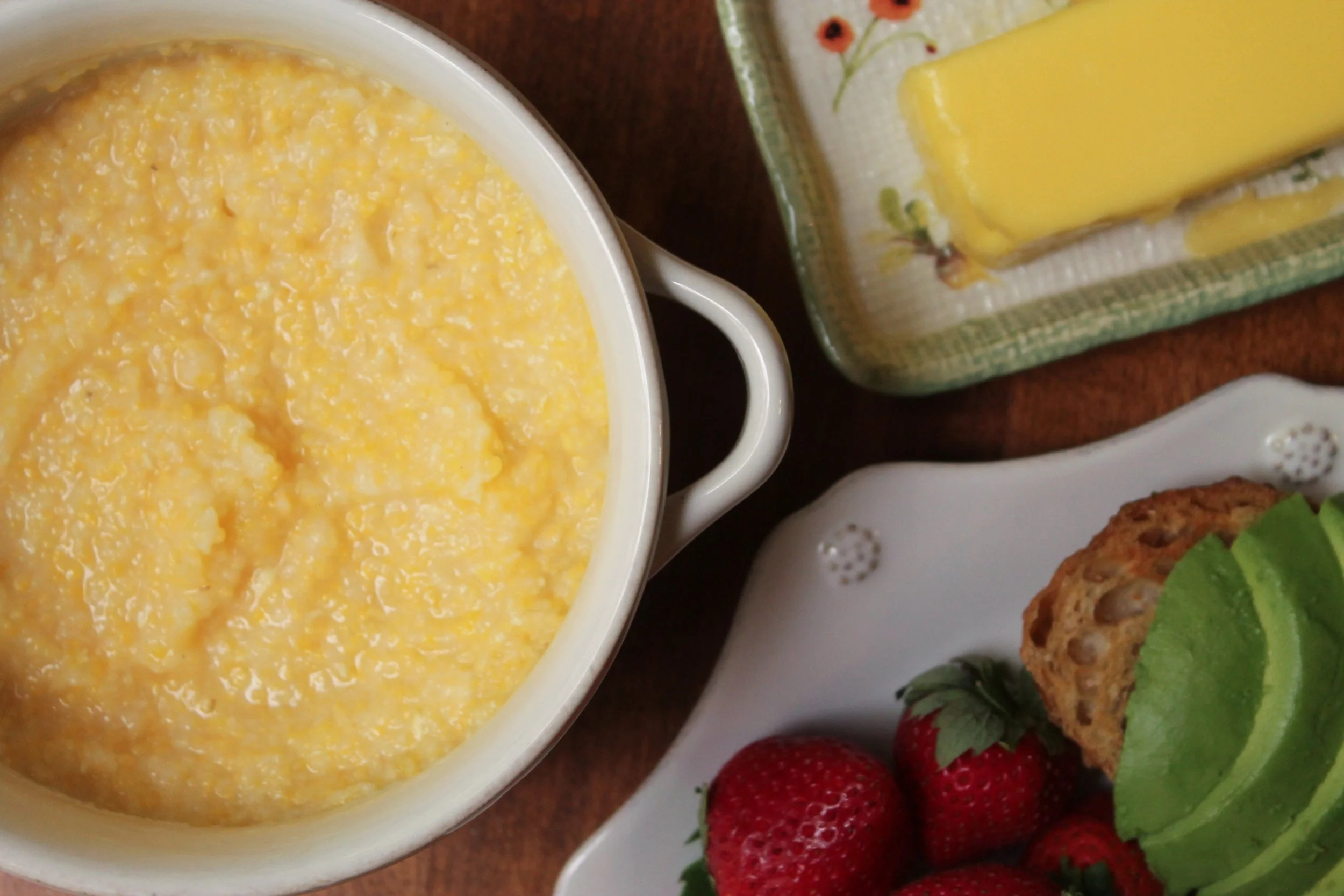
What Kind of Butter Is Best for Grits?
Salted or unsalted? How much should you use? And what actually makes a good butter? When you're cooking something as simple as grits, every ingredient matters. At McEwen & Sons, we spend a lot of time talking about corn—because good grits have to start with good corn. But once those stone-ground grits make it into your kitchen, one of the ingredients most likely to join them in the pot is butter. So what kind of butter should you use in grits?
What We Look for in Corn Before We Ever Mill It
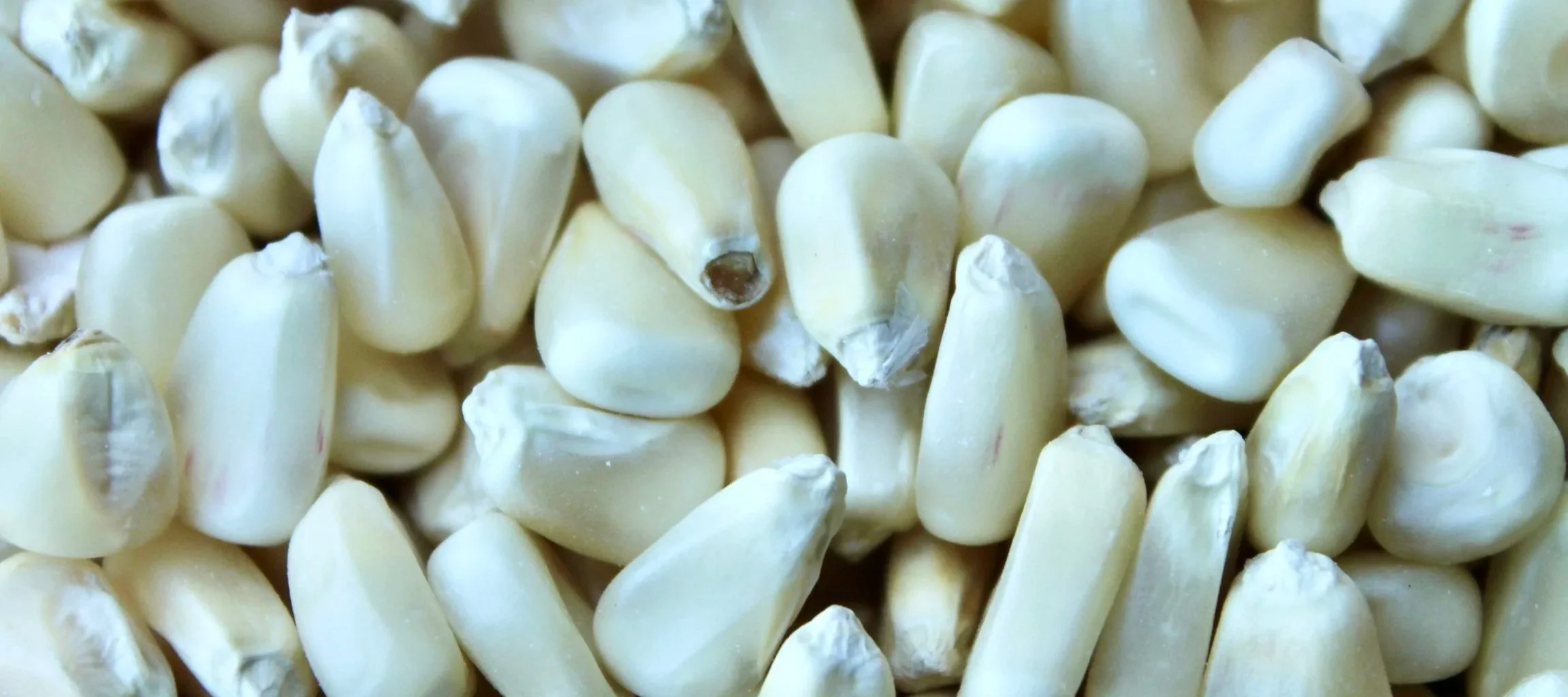
Good grits start long before the corn reaches the millstones. At McEwen & Sons, we spend a lot of time talking about how we mill our corn. We use a traditional stone-burr gristmill, take our time with the process, and make grits and cornmeal the way we believe they ought to be made. But there's something just as important as the mill itself: The corn you put into it. A miller can control the grind, but he can't manufacture quality that wasn't in the corn to begin with. That's why we start with real, Certified Organic corn and mill several distinct varieties: white, yellow, blue, and Ruby Red corn. Each looks different. Each has its own character. And each reminds us of a simple principle we've believed for years: Good grits start with good corn.
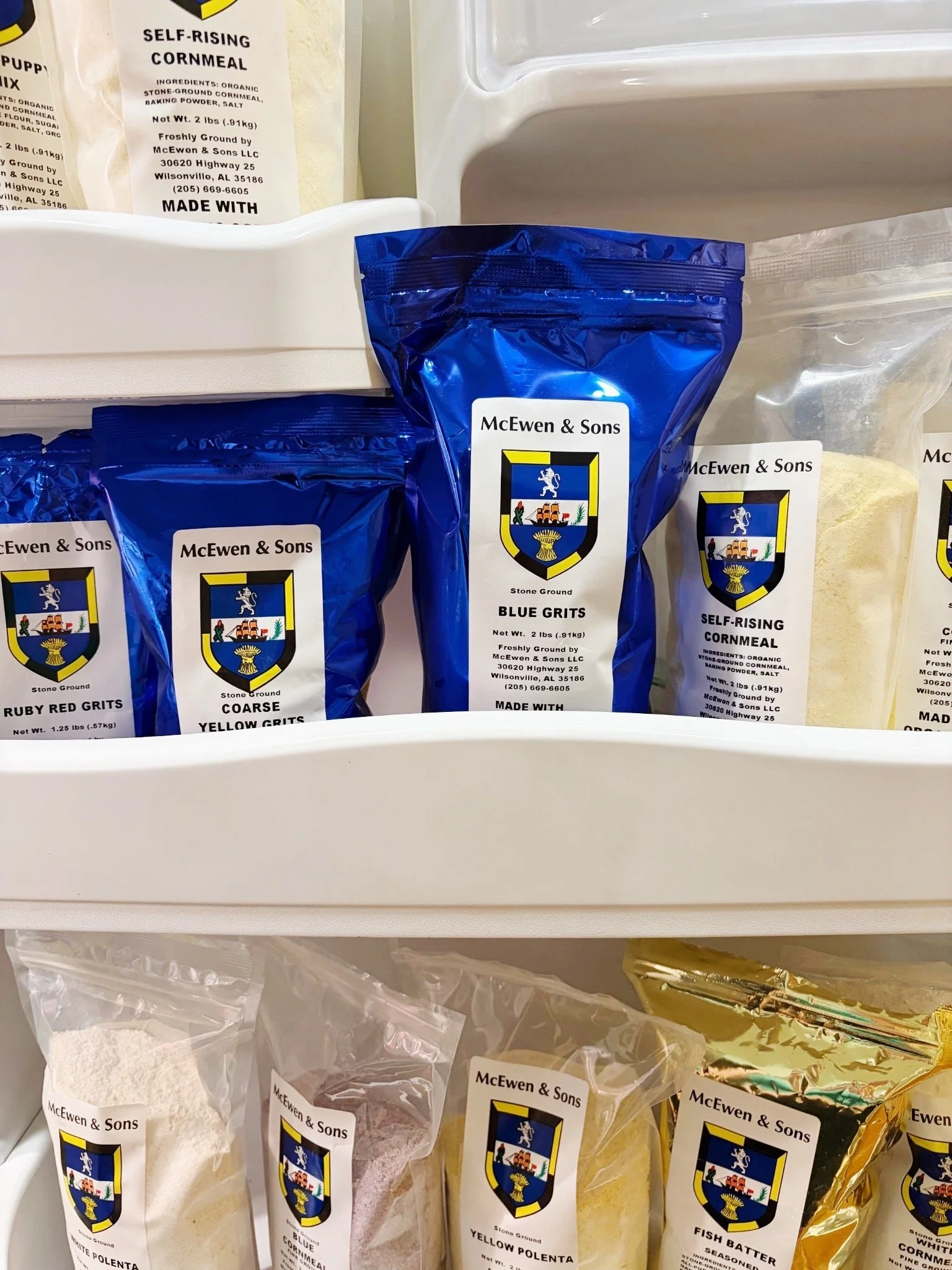
Why We Keep Our Stone-Ground Grits in the Refrigerator
Can you tell we are the grits people by the looks of our refrigerator? If you've ever picked up a bag of McEwen & Sons stone-ground grits, you may have noticed something unusual on the label: Keep refrigerated or frozen. Grits are a dry food, so why would they need to be kept cold? The short answer is that traditional stone-ground grits can retain naturally occurring parts of the corn kernel—including the germ and its oils—that can affect shelf life. Keeping our grits refrigerated or frozen helps protect those natural oils and keeps the grits fresh for longer. It's one of the differences that comes with making grits the old-fashioned way.

McEwen & Sons Sweet and Salty Popcorn Mix: The Perfect Halloween Treat
Looking for an easy Halloween snack that’s equally sweet, salty, and crunchy? This Halloween Popcorn Mix with candy corn and peanuts only takes three simple ingredients and a few minutes to put together. Freshly popped McEwen & Sons Popcorn gives you the crunch, candy corn brings the sweetness, and roasted and salted peanuts add just enough salt to balance everything out. Make a big bowl for a Halloween party, fall festival, football game, tailgate, bonfire, or family movie night. Or fill Mason jars with the mix, tie on a ribbon, and turn it into an easy homemade gift.

Southern Cornsticks: An Old-Fashioned Recipe for Fall Soups
When the weather starts to cool down and the first pots of soup begin simmering on the stove, there's something especially comforting about a basket of warm, golden cornsticks alongside it. Crispy around the edges, tender in the middle, and made with stone-ground cornmeal, Southern cornsticks are an old-fashioned companion to a good bowl of soup.

Why Stone-Ground Matters: How We Mill Our Corn at McEwen & Sons
Stone-ground grits and cornmeal are becoming harder to find. At McEwen & Sons, that's exactly why we still make them the old-fashioned way. Walk into our mill in Wilsonville, Alabama, and you'll find something that has become increasingly uncommon in modern food production: a working stone-burr gristmill. While much of today's commercial grain milling relies on high-speed steel rollers and other modern equipment, our corn is slowly ground between two large stones. It's an old-fashioned process. And we believe it's worth preserving.

How to Cook Grits for a Crowd: The Ultimate Guide to Creamy Stone-Ground Grits
Fall is one of the best times of year to gather around a table—or a tailgate—with a big pot of something warm and comforting. Whether you're feeding family on a Saturday morning, hosting friends for a football game, preparing breakfast for a hunting trip, or getting ready for a fall gathering, stone-ground grits are one of the easiest Southern dishes to make for a crowd.

Glorious Grits: Shrimp and Blue Grits with Bacon Vinaigrette
This Southern-inspired dish combines tender sautéed shrimp and earthy mushrooms with the rich, comforting flavor of creamy grits. Chef Holt gives the dish an unexpected twist by pairing it with blue grits and finishing it with a bright, tangy bacon vinaigrette. If blue grits aren’t available, white or yellow grits make a delicious and more traditional alternative.

Stone-Ground Grits vs. Polenta vs. Cornmeal: What’s the Difference?
If you've ever wondered about the difference between stone-ground grits, polenta, and cornmeal, you're not alone. They all come from ground corn, but the differences in grind, texture, and how they are used in the kitchen can make a big difference in your finished dish.

How to Make Creamy Stone-Ground Grits: The Complete Guide to Cooking Grits
There are few foods more closely tied to the South than a good bowl of grits. But if you've ever cooked stone-ground grits for the first time, you may have discovered that making truly creamy, flavorful grits takes a little more than boiling water and stirring in a bag of grits. The secret is patience.

Breakfast Quiche Recipe with a Stone-Ground Grits Crust
Learn how to make a Southern breakfast quiche with a golden stone-ground grits crust, creamy eggs, white cheddar, and crispy prosciutto. A unique twist on classic quiche.

From Wilsonville to Ruth Reichl’s Kitchen
Food writer Ruth Reichl recently featured McEwen & Sons’ stone-ground grits and cornmeal in La Briffe. Here is the story of how our family mill in Wilsonville, Alabama earned the mention.