
Why We Keep Our Stone-Ground Grits in the Refrigerator
Why Our Freshly Milled Grits Need a Little Extra Care
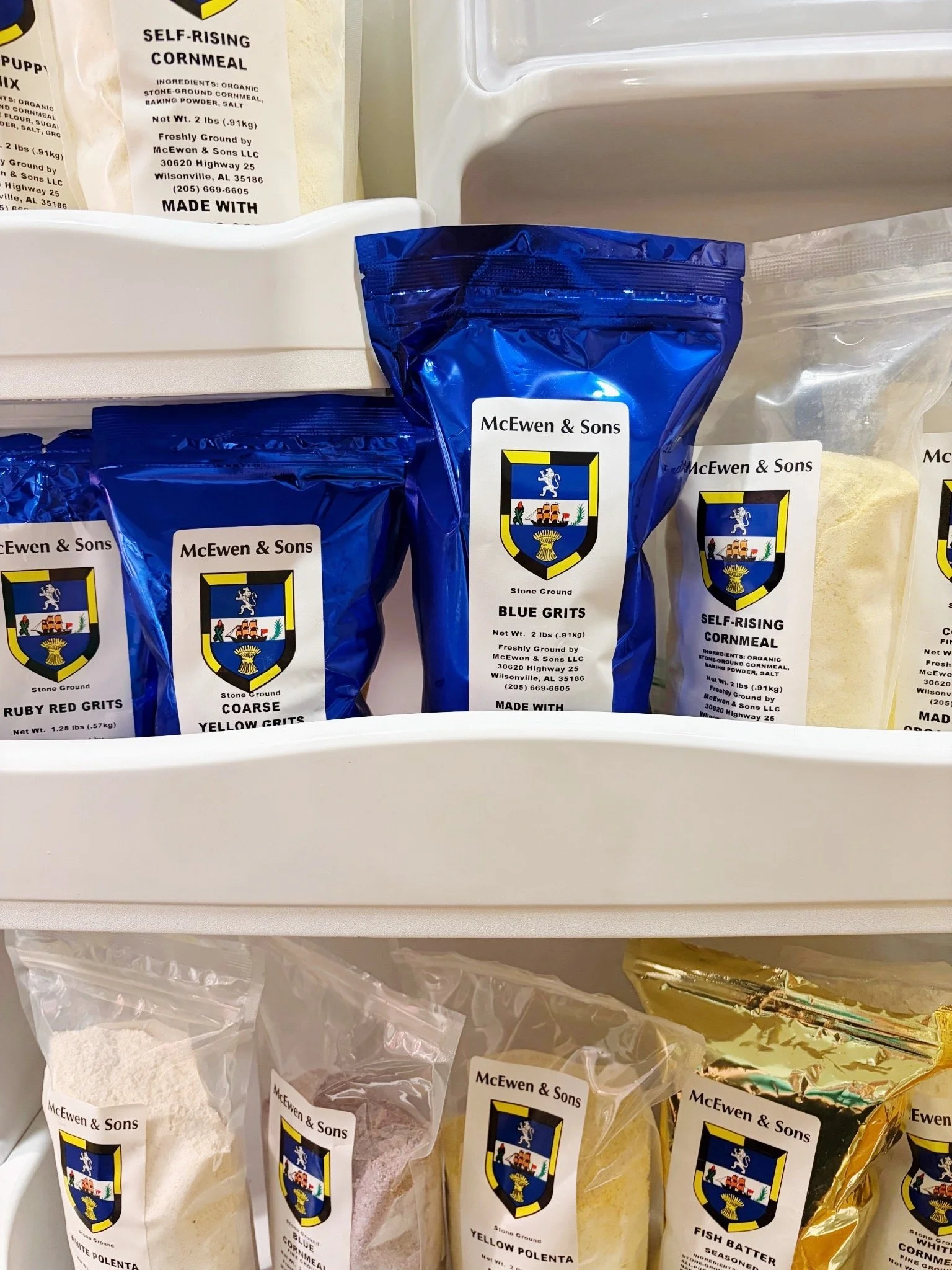
Can you tell we are the grits people by the looks of our refrigerator?
If you've ever picked up a bag of McEwen & Sons stone-ground grits, you may have noticed something unusual on the label: Keep refrigerated or frozen. Grits are a dry food, so why would they need to be kept cold?
The short answer is that traditional stone-ground grits can retain naturally occurring parts of the corn kernel—including the germ and its oils—that can affect shelf life. Keeping our grits refrigerated or frozen helps protect those natural oils and keeps the grits fresh for longer. It's one of the differences that comes with making grits the old-fashioned way.
At McEwen & Sons, we've been milling corn in Wilsonville, Alabama, since 2002. We grind our corn on a traditional stone-burr gristmill, and we believe understanding how your grits are made also helps explain how you should store them. Here's why we tell our customers to keep them cold.
Why Do Stone-Ground Grits Need to Be Refrigerated?
The answer begins with the corn kernel itself.
A kernel of corn has several different parts, including the bran, germ, and endosperm. The germ contains naturally occurring oils. Depending on how corn is processed, some of these components may be removed or reduced during commercial milling. Traditional stone milling is different.
Our stone-burr mill grinds the corn between two stones. With our stone-ground products, more of the natural character of the corn can remain in the finished product—including oils that contribute to the flavor and aroma people associate with freshly milled corn. This allows our products to not only maintain incredible taste and texture, but also keeps the nutritional benefits of the organic corn intact.
Like other foods containing natural fats and oils, milled corn can gradually develop stale or rancid flavors as those fats oxidize. Heat, air, light, moisture, and time can all affect quality. Cold storage slows that process. That's why we recommend storing McEwen & Sons grits in the refrigerator or freezer rather than leaving an opened bag in a warm pantry for months.
Do Grits Have to Be Refrigerated?
Not all grits have the same storage requirements. Many commercially produced grits are processed for a long shelf life and are designed to sit in the pantry. Processing methods vary, so you should always follow the storage instructions provided by the producer.
Traditional stone-ground grits can be different. Because stone-ground products may retain more of the naturally occurring oils from the corn, they can be more susceptible to changes in flavor and quality over time. For McEwen & Sons stone-ground grits, our recommendation is simple: Keep them refrigerated or frozen for the best quality and guaranteed freshness.
Why Can Some Grits Sit in the Pantry?
Walk through a grocery store and you'll find plenty of boxes of grits sitting unrefrigerated on the shelf. So what's the difference? Not every bag or box labeled "grits" has been produced the same way. Large-scale commercial milling can involve different processing steps designed to produce a consistent product with a long shelf life.
Some corn products are degerminated, meaning the oil-rich germ is removed during processing. Removing components containing natural oils can improve shelf stability. That's useful if the goal is to make a product capable of spending a long time in a warehouse or pantry.
Our priorities are a little different. We use traditional stone milling because we want our products to retain the character that makes stone-ground corn special. The tradeoff is that freshly milled, minimally processed corn products deserve a little more care after you bring them home.
For us, that's a trade worth making.
What Happens If You Don't Refrigerate Stone-Ground Grits?
Leaving stone-ground grits unrefrigerated doesn't mean they suddenly become bad overnight. Quality changes happen gradually. Over time, exposure to warmth, oxygen and moisture can affect the naturally occurring oils in milled corn. Eventually, the grits may develop stale, bitter, musty, or otherwise unpleasant flavors or aromas.
That process is commonly described as rancidity when it involves deterioration of fats and oils. Keeping your grits cold helps slow those changes. Think of refrigeration less as something unusual that grits require and more as a simple way to protect the freshness of a less-processed, nutritionally dense food.
How Should You Store Stone-Ground Grits?
For McEwen & Sons grits, we recommend refrigeration or freezing. Once you've opened the package, keeping the grits well sealed is also important. A tightly closed bag or airtight container helps protect them from moisture, odors and exposure to air.
A few simple rules go a long way:
Keep your grits refrigerated or frozen.
Keep the package tightly sealed, expressing all excess air, after opening.
For longer storage, consider transferring them to an airtight container.
Keep moisture out of the package.
Use a clean, dry measuring cup or scoop.
Follow the storage instructions printed on the bag.
That's really all there is to it.
Can You Freeze Stone-Ground Grits?
Yes. In fact, freezing is an excellent option for storing stone-ground grits for longer periods. Keep them tightly sealed to protect them from moisture and odors in the freezer.
If you don't cook grits frequently or you've stocked up on several bags, the freezer is an easy way to help preserve their quality until you're ready to use them. There's no need to cook the grits before freezing them. We're talking about freezing the dry, uncooked grits right in their package or in an airtight container.
Can You Cook Grits Straight From the Refrigerator or Freezer?
Yes. Dry grits don't need to come to room temperature before you cook them. Measure what you need and cook them according to your recipe. That means keeping your grits cold doesn't add another complicated step to breakfast. Open the refrigerator or freezer, measure your grits, and get the pot going.
How Can You Tell If Grits Have Gone Bad?
Use your senses. Fresh stone-ground grits should smell like corn. If the product develops a noticeably stale, sour, musty, bitter, or rancid odor, that's a good indication that its quality has deteriorated.
You should also discard the product if you notice signs of moisture, mold, insects, or anything else that makes you question its condition. When you're unsure about a product, it's better not to use it.
How Long Do Stone-Ground Grits Last?
There's no single shelf-life number that applies to every stone-ground grit on the market. Shelf life depends on the corn, milling process, packaging, temperature, exposure to air and moisture, and other storage conditions. That's one reason we prefer a straightforward recommendation rather than telling people that every bag of stone-ground grits will remain identical for a certain number of months:
Keep McEwen & Sons grits refrigerated or frozen and follow the guidance on the package. And always make sure to use our products before the best by date on the bag. Good storage gives the product the best opportunity to taste the way we intended it to taste when it left our mill.
Why We Still Stone-Grind Our Corn
Refrigerating a bag of grits is a small inconvenience. We think what you get in return is worth it.
At McEwen & Sons, we've been grinding corn since 2002. Our mill is powered by electricity rather than the waterwheels that powered many historic gristmills, but the basic principle is an old one: corn passes between large millstones that grind it into grits and meal. It isn't the fastest way to make a shelf-stable corn product.
We stone-grind because we care about the flavor, texture and character of the corn. We want you to open a bag and know you're cooking something that has preserved the natural character of the corn it came from—not simply eating another highly processed pantry staple.
And that brings us right back to the refrigerator.
Refrigeration Isn't a Drawback. It's Part of the Story.
People occasionally find our refrigeration instructions surprising. We understand why. Most of us have been conditioned to think of grits and cornmeal as products that live indefinitely in the back of the pantry.
But when someone asks us, "Why do I have to refrigerate your grits?", it gives us an opportunity to explain what makes traditionally milled corn different. Our answer is simple: We recommend keeping our stone-ground grits cold because they retain natural components of the corn that can affect freshness.
Refrigeration or freezing helps protect the natural oils, flavor and quality of the product for longer. It's one small extra step between our mill and your table. We think quality products are worth taking care of.

Keeping It Fresh at Durbin Farms
If you’ve ever picked up a bag of McEwen & Sons grits at Durbin Farms in Clanton, you may have noticed something a little different: our products are kept refrigerated.
That’s intentional. Because our stone-ground grits and cornmeal retain the natural oils and character of the corn, we recommend keeping them cold to protect their freshness and flavor. Durbin Farms takes that same care with our products, keeping them refrigerated until you’re ready to take them home.
So next time you stop in for their famous peaches, fresh produce, or homemade treats, grab a cold bag of McEwen & Sons while you’re there—and keep it cold when you get home! Check out more of the places where you can find McEwen & Sons products!
Frequently Asked Questions About Storing Grits
Do stone-ground grits need to be refrigerated?
Storage recommendations vary by producer, but stone-ground grits can contain naturally occurring oils that are susceptible to oxidation over time. McEwen & Sons recommends keeping our grits refrigerated or frozen to help maintain freshness and quality.
Can you store grits in the refrigerator?
Yes. Refrigeration is an excellent way to store stone-ground grits. Keep them tightly sealed to protect them from moisture, air and other food odors.
Can you freeze uncooked grits?
Yes. Dry, uncooked stone-ground grits can be stored in the freezer. Keep them in a tightly sealed package or airtight container and measure directly from the freezer when you're ready to cook.
Do grits go bad?
Yes. Grits can deteriorate in quality over time, particularly products containing natural oils from the corn. Watch for unusual odors, flavors, moisture, mold or insects, and follow the manufacturer's storage instructions.
How can you tell if grits are rancid?
Rancid grits may develop an unpleasant stale, bitter, sour, musty, or paint-like odor or flavor. If your grits smell noticeably different or unpleasant, don't use them.
Why are some grits shelf-stable?
Processing methods vary. Some commercially produced corn products are degerminated or otherwise processed to improve shelf stability. Traditional stone-ground products may retain more naturally occurring components of the corn, which is one reason their storage recommendations can differ.
Is it better to refrigerate or freeze grits?
Both are good options for McEwen & Sons stone-ground grits. Refrigeration is convenient for grits you use regularly, while freezing is particularly useful for longer-term storage. In either case, keep the grits tightly sealed and dry.
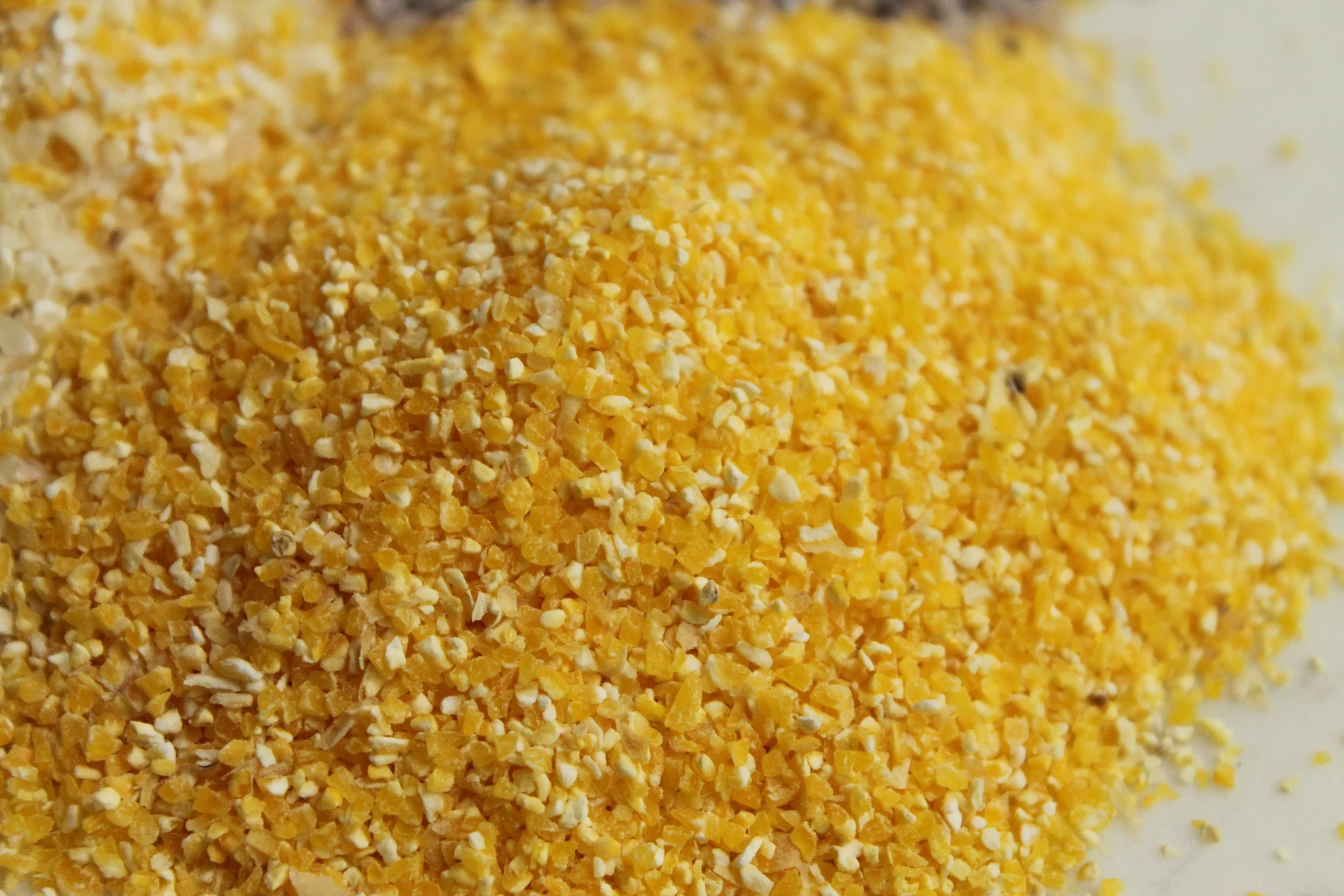
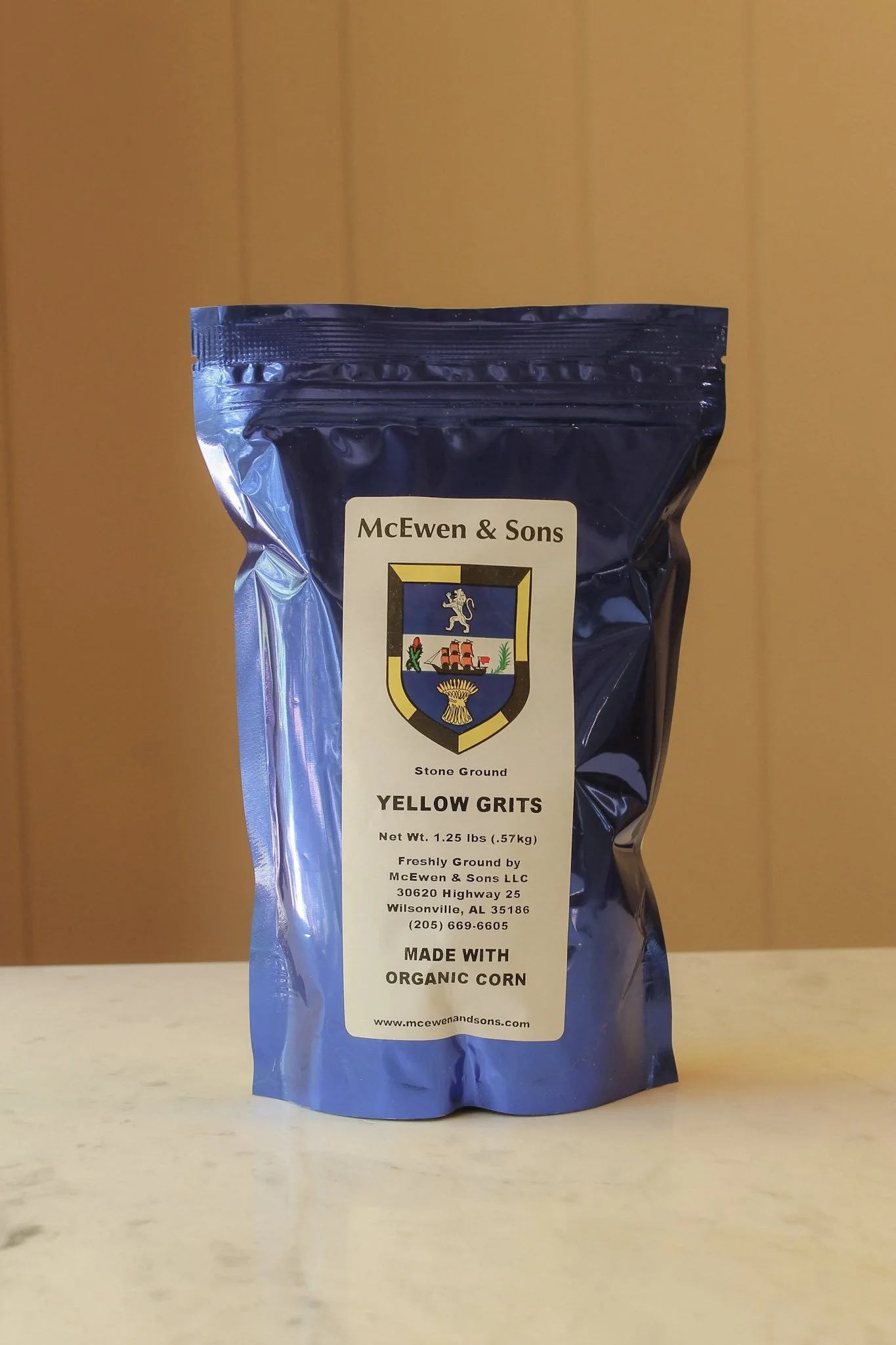
Our Stone-Ground Yellow Grits are milled in small batches using 100% certified organic corn to create the rich, buttery flavor and hearty texture. Naturally sweet and full of whole-grain goodness, these grits deliver true Southern character in every bowl. Whether you’re cooking a comforting breakfast or a classic shrimp and grits dinner, their depth of flavor and stone-ground quality make them a staple in any kitchen. These classic Southern grits have become one of our most popular products and a favorite among chefs from coast to coast.
