
Stone-Ground Grits vs. Polenta vs. Cornmeal: What’s the Difference?
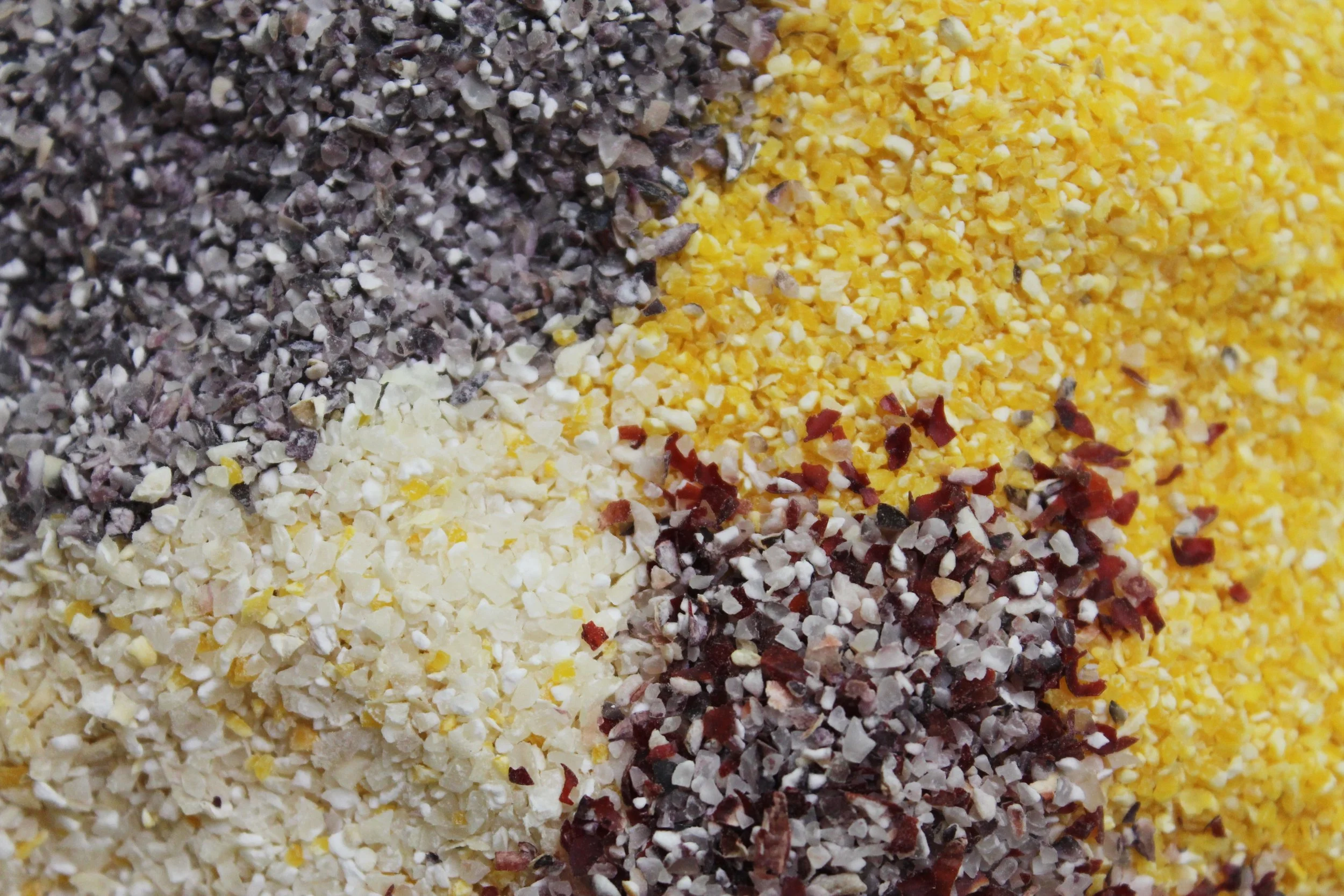
If you've ever wondered about the difference between stone-ground grits, polenta, and cornmeal, you're not alone. They all come from ground corn, but the differences in grind, texture, and how they are used in the kitchen can make a big difference in your finished dish.
So, which one should you use?
The easiest way to think about it is:
Grits = coarse and hearty
Polenta = medium-coarse and versatile
Cornmeal = finer and best for baking and breading
Let's break it down.
What Are Stone-Ground Grits?
Stone-ground grits are a coarse grind with a hearty texture. They are traditionally cooked slowly in water, milk, or a combination of the two until they become tender and creamy. Because of their larger grind, stone-ground grits take more time to cook than quick or instant grits. The extra cooking time gives them a rich texture and full corn flavor. See more about How to Make Creamy Stone-Ground Grits: The Complete Guide to Cooking Grits
Stone-ground grits are especially delicious in:
Shrimp and grits
Cheese grits
Breakfast grits
Grits bowls
Grits casseroles
Grit cakes
Savory side dishes
If you're looking for a creamy, comforting bowl of grits, stone-ground grits are the way to go.
What Is Stone-Ground Polenta?
Polenta is typically made with a medium-coarse grind, giving it a texture that falls between grits and finer cornmeal. Polenta can be cooked until creamy and served immediately, or it can be cooled until firm and then sliced, grilled, or baked.
Try stone-ground polenta with:
Roasted vegetables
Braised meats
Mushrooms
Tomato sauces
Eggs
Cheese and herbs
Polenta is particularly versatile because it can be served soft and creamy or allowed to firm up for another preparation.
What Is Stone-Ground Cornmeal?
Cornmeal is available in different grinds, including fine and coarse. It is most commonly used as an ingredient in baking and cooking rather than being prepared as a creamy porridge.
Fine-ground cornmeal is wonderful for:
Southern cornbread
Corn muffins
Cornmeal pancakes
Hush puppies
Cornmeal cakes
Breading and coatings
Coarse-ground cornmeal adds more texture and is especially good when you want a rustic, hearty bite.
Grits vs. Polenta: What's the Difference?
Grits and polenta are probably the two most easily confused. Both can be cooked slowly in liquid until creamy, but grits are generally coarser than polenta. The difference becomes especially noticeable in texture. Stone-ground grits tend to have a heartier, more rustic consistency, while polenta can have a slightly smoother texture.
They are also traditionally associated with different cuisines. Grits are a staple of Southern cooking and are commonly served with butter, cheese, eggs, shrimp, sausage, or other savory toppings. Polenta is traditionally associated with Italian cooking and is often served alongside vegetables, sauces, braised meats, or roasted dishes.
That said, there is plenty of room for experimentation. Grits can be used in recipes inspired by polenta, and polenta can be enjoyed in ways that feel right at home on a Southern table.
Grits vs. Cornmeal: What's the Difference?
The biggest difference between grits and cornmeal is grind size and how they are typically prepared. Stone-ground grits have a much coarser texture and are generally simmered in liquid until tender. Cornmeal is typically finer and is incorporated into recipes such as cornbread, muffins, pancakes, and hush puppies.
Because of the difference in grind, they aren't always interchangeable.
Polenta vs. Cornmeal: What's the Difference?
Polenta and cornmeal can also be confusing because both can come in relatively coarse grinds. The main distinction is how the product is ground and how it is intended to be used. Stone-ground polenta is generally a medium-coarse grind designed to be cooked into a creamy dish or allowed to firm up for slicing and grilling.
Cornmeal is available in a wider range of grinds and is most often used as an ingredient in baking and cooking. If you're making cornbread, reach for cornmeal. If you're making a creamy dish to serve underneath roasted vegetables or braised meat, polenta is an excellent choice.
Can You Substitute Grits for Polenta?
In many recipes, yes. Because grits are generally coarser, they may take longer to cook and produce a heartier texture. If you're making a recipe where texture isn't critical, substituting grits for polenta can be a delicious experiment. The same goes in the other direction—polenta can often be used in place of grits, although the finished dish may be smoother. Try out one of our favorite recipes here in this delicious breakfast quiche with a stone-ground grits or polenta crust.
Can You Substitute Cornmeal for Grits?
Usually, it's not the best substitution. Fine-ground cornmeal cooks much differently from coarse stone-ground grits. It absorbs liquid more quickly and creates a much finer texture. If a recipe specifically calls for stone-ground grits, we recommend using grits for the best results.
Can You Substitute Cornmeal for Polenta?
It depends on the recipe and the grind of the cornmeal. A coarse cornmeal may work in some polenta recipes, but fine cornmeal will create a noticeably different texture. When possible, use the product specified in the recipe.
Which One Should I Use?
Still not sure which one belongs in your pantry? Here's the quick guide.
Choose Stone-Ground Grits For:
Creamy breakfast bowls
Shrimp and grits
Cheese grits
Grits casseroles
Grit cakes
Choose Stone-Ground Polenta For:
Creamy polenta
Roasted vegetables
Braised meats
Grilled polenta
Baked polenta
Choose Stone-Ground Cornmeal For:
Southern cornbread
Hush puppies
Cornmeal pancakes
Muffins
Breading and coatings
Why Does Grind Size Matter?
Grind size affects almost everything about the way a grain behaves in a recipe. Coarser grains generally take longer to soften and create more texture. Medium grinds offer versatility and can work beautifully in both creamy and firm preparations. Finer grinds cook more quickly and blend easily into batters and doughs. That's why choosing the right grind can be just as important as choosing the right ingredient.
Frequently Asked Questions
Are grits and polenta the same thing?
Not exactly. Both are made from ground corn and can be cooked into a creamy dish, but they typically differ in grind and traditional use. Grits are generally coarser, while polenta is typically medium-coarse.
Is polenta the same as cornmeal?
Not quite. Polenta refers to a traditional dish as well as the type of ground corn commonly used to prepare it. Its grind is generally coarser than fine cornmeal.
Which is coarser, grits or polenta?
Stone-ground grits are generally coarser than stone-ground polenta.
Can you use grits instead of polenta?
Yes, in many recipes. Expect a slightly heartier texture and potentially a longer cooking time.
Can you use cornmeal instead of grits?
Not ideally. Cornmeal is not a direct substitute for stone-ground grits because it cooks differently and produces a finer texture.
What is the best grind for cornbread?
The best grind depends on the style of cornbread you're making. Fine-ground cornmeal produces a finer crumb, while coarse-ground cornmeal gives cornbread a more textured, rustic bite.
From the Mill to Your Kitchen
Knowing the difference between grits, polenta, and cornmeal makes it easier to choose the right ingredient for whatever you're cooking. Whether you're stirring a pot of creamy stone-ground grits, making a skillet of Southern cornbread, or serving a bowl of polenta alongside dinner, the right grind makes all the difference. Explore our McEwen & Sons stone-ground grits, polenta, and cornmeal and find the perfect grind for your next recipe.
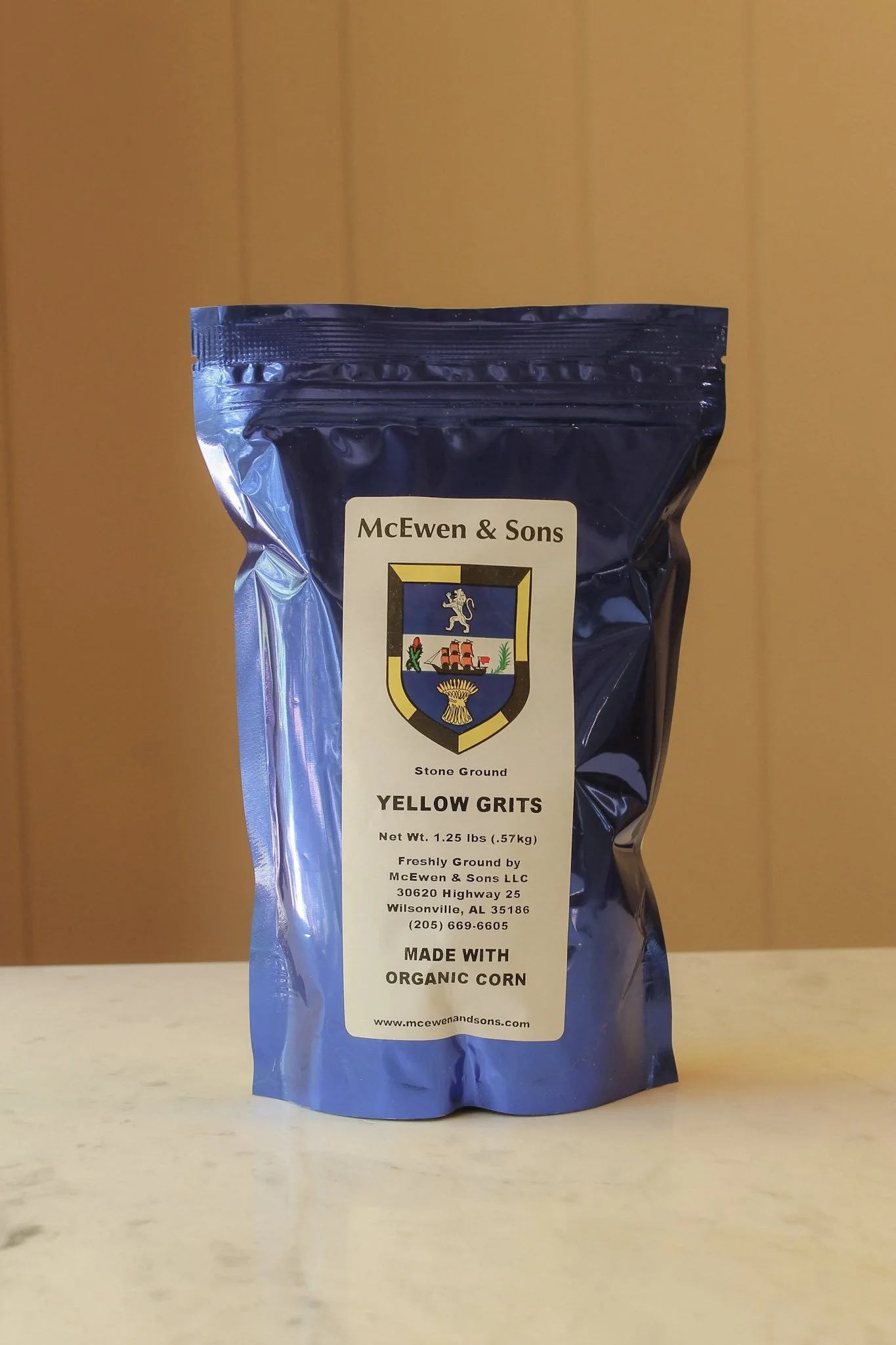
Our Stone-Ground Yellow Grits are milled in small batches using 100% certified organic corn to create the rich, buttery flavor and hearty texture. Naturally sweet and full of whole-grain goodness, these grits deliver true Southern character in every bowl. Whether you’re cooking a comforting breakfast or a classic shrimp and grits dinner, their depth of flavor and stone-ground quality make them a staple in any kitchen. These classic Southern grits have become one of our most popular products and a favorite among chefs from coast to coast.
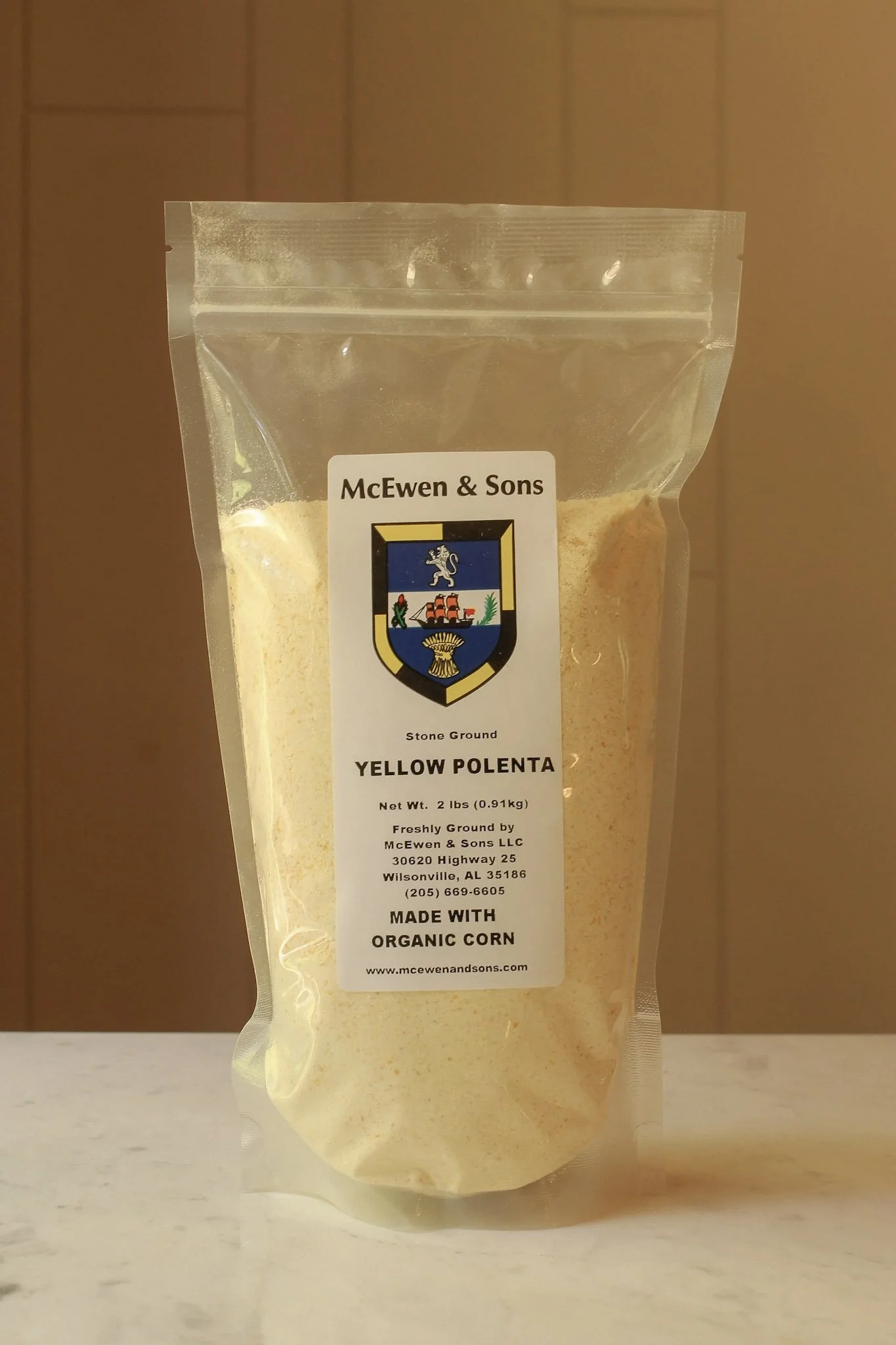
Our Stone-Ground Yellow Polenta is made from certified organic yellow corn and stone-ground to a medium-coarse texture, perfect for creamy, tender polenta dishes or firm slices for grilling, frying, or baking. The naturally golden color and slightly sweet, buttery flavor of yellow corn provide a warm, rich taste that elevates any dish. Stone-ground yellow polenta combines authentic texture with versatile applications, making it a staple for both traditional and modern cuisine.
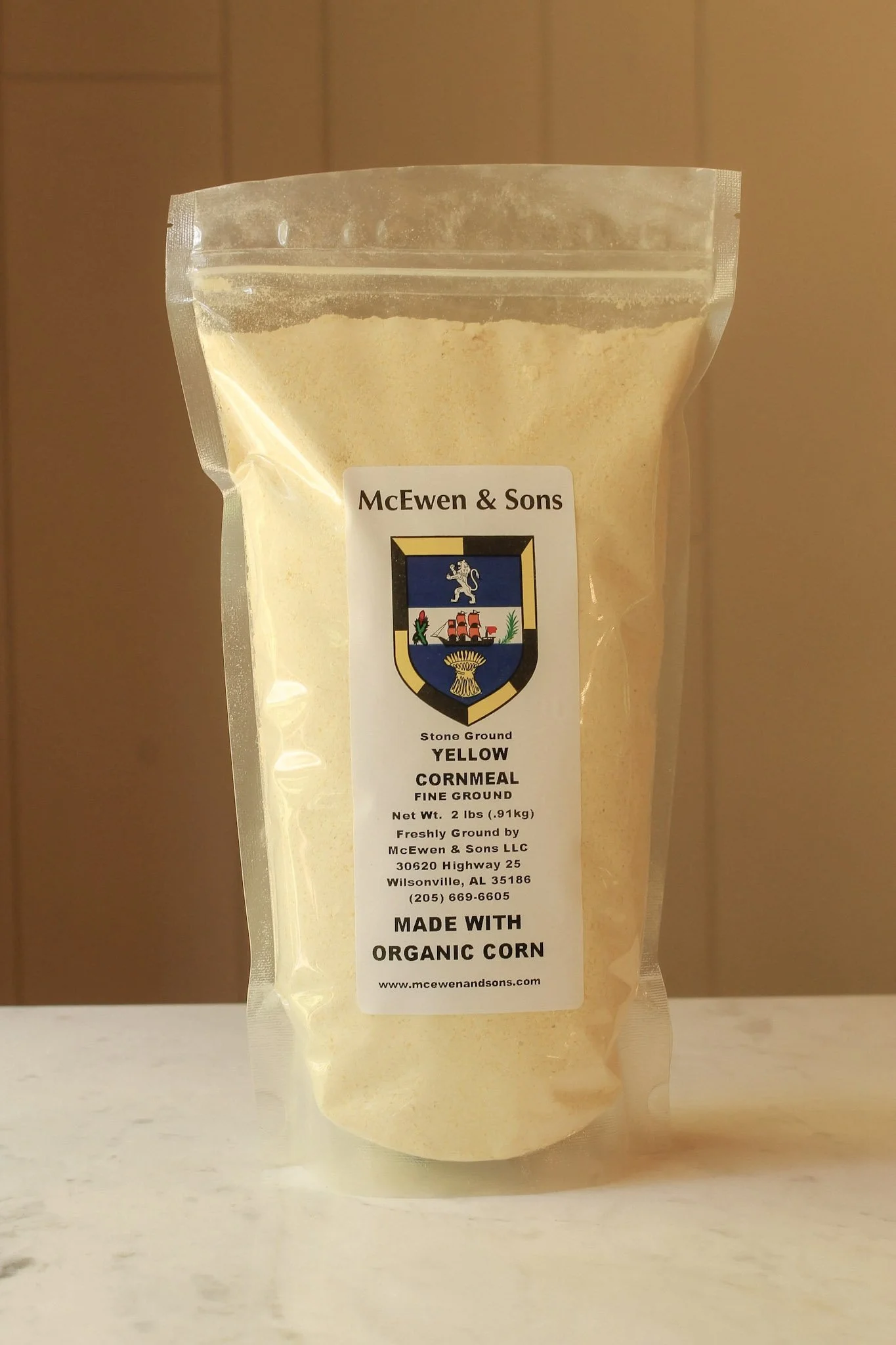
Our Stone-Ground Yellow Cornmeal – Fine Ground is made from certified organic yellow corn and milled to a silky, soft texture perfect for tender Southern baked goods, muffins, pancakes, and hushpuppies. The naturally golden corn flavor shines through with a sweet, buttery taste, while the fine grind creates a smooth, delicate crumb for soft, moist baked dishes. Fine ground yellow cornmeal is ideal for recipes that call for a lighter, more tender texture without sacrificing the rich, natural flavor of stone-ground corn.
