
What We Look for in Corn Before We Ever Mill It
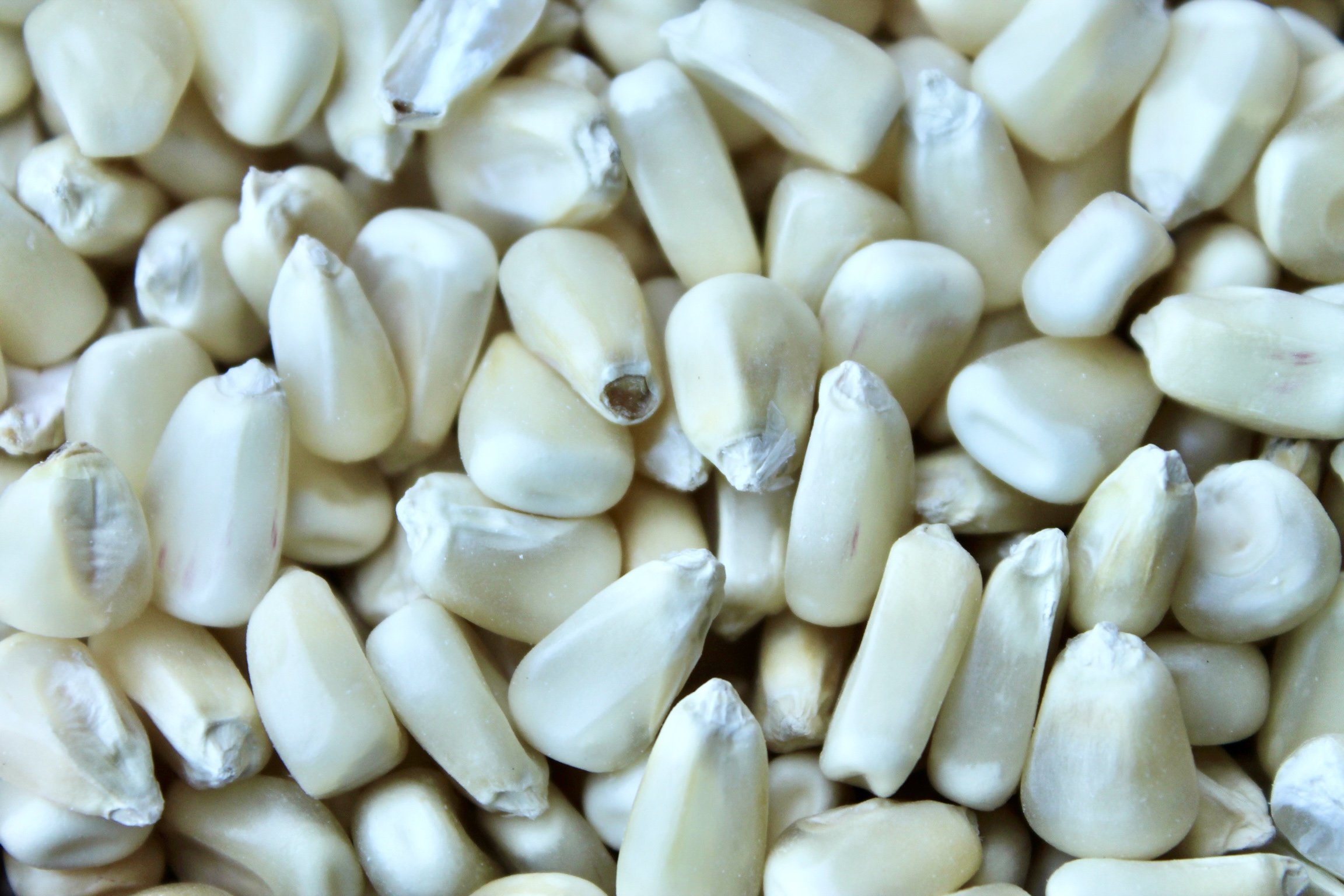
Good grits start long before the corn reaches the millstones.
At McEwen & Sons, we spend a lot of time talking about how we mill our corn. We use a traditional stone-burr gristmill, take our time with the process, and make grits and cornmeal the way we believe they ought to be made. But there's something just as important as the mill itself: The corn you put into it.
A miller can control the grind, but he can't manufacture quality that wasn't in the corn to begin with. That's why we start with real, Certified Organic corn and mill several distinct varieties: white, yellow, blue, and Ruby Red corn. Each looks different. Each has its own character. And each reminds us of a simple principle we've believed for years: Good grits start with good corn.
What Makes Good Corn for Grits?
For us, good milling corn starts with the quality and character of the grain itself. We want corn that gives us the flavor, aroma, color, and texture we're looking for once it passes through our stones. Because our products are simple, there's not much room to hide what goes into them. That's a good thing.
When you're making a food as simple as grits, the corn isn't just an ingredient. It is the ingredient. That's why the quality of the grain matters before we ever turn on the mill.
We Start With Certified Organic Corn
One of the most important things about the corn we mill at McEwen & Sons is that it is Certified Organic. "Organic" isn't simply a word we use to describe our corn. Certified Organic agricultural products must meet USDA organic standards and be certified through an accredited certifying agent.
For us, it also fits a much simpler philosophy about food: start with a good ingredient and don't overcomplicate it. Our grits aren't about trying to turn corn into something it isn't. They're about taking good corn and carefully milling it into something worth putting on the table.
Does the Color of Corn Change the Grits?
Yes. Different varieties of corn can produce grits with differences in color, flavor, aroma, and character. That's one reason we don't believe every bowl of grits has to be exactly the same.
At McEwen & Sons, we mill white, yellow, blue, and Ruby Red corn, giving our customers the opportunity to experience some of that natural variety for themselves. Here's what you can expect from each.
White Corn: Mild and Classic
White corn produces the grits many people picture when they think of a traditional bowl of Southern grits. Our White Grits have a mild corn flavor and a creamy appearance when cooked. Their understated character makes them exceptionally versatile.
They're at home underneath shrimp, alongside eggs and bacon, covered with cheese, or simply finished with butter, salt, and pepper. If you're new to stone-ground grits, white is a natural place to start.
Yellow Corn: Rich, Familiar Corn Flavor
Yellow corn brings more of the golden color many of us associate with freshly ground cornmeal. Our Yellow Grits have a fuller, more pronounced corn character than their white counterpart. They're still versatile enough for everyday cooking but bring a little more color and corn flavor to the bowl. They're particularly good when you want the grits themselves to stand up alongside bold flavors rather than disappear underneath them.
Blue Corn: Earthy, Nutty and Distinctive
Yes, you can make grits from blue corn. Our Blue Grits are one of the easiest ways to see—and taste—how much the variety of corn can change the finished product. Blue corn produces grits with a distinctive natural color and a deeper, earthier character. We often describe the flavor as nutty and robust.
The cooked color won't necessarily look like the bright blue kernel you started with, but that's part of the beauty of working with real corn. Natural ingredients don't always behave like artificial colors, and we don't expect them to.
Ruby Red Corn: Rich, Earthy and Full of Character
Our Ruby Red Grits begin with beautiful red corn. Ruby Red corn produces grits with their own distinctive color and a rich corn flavor with subtle earthy and nutty notes. They're an excellent choice when you want a bowl of grits that's a little unexpected while remaining unmistakably Southern.
White, yellow, blue, or red—the fundamental idea is the same: Different corn. Different character. Same Southern tradition.
Are Different Colors of Corn Just for Looks?
No. The color certainly makes these varieties beautiful, but that's only part of the story. Corn isn't one completely uniform agricultural product. Different varieties have different characteristics, and the grain you start with can influence what you ultimately taste, smell, see, and cook.
That's important to us because we aren't trying to make every variety taste exactly alike. We want white corn to taste like white corn. Blue corn should be allowed to taste like blue corn. Ruby Red should have its own character.
That variation isn't something we need to correct. It's something worth preserving.
Why Corn Quality Matters Even More With Simple Foods
The fewer ingredients you use, the more each one matters. Think about a bowl of traditional grits. You've got corn, water, salt, and perhaps some butter. You might add milk, cream, cheese, or another ingredient depending on how you make them, but the foundation remains incredibly simple.
There isn't a heavily seasoned sauce hiding the grain. There isn't a long ingredient list engineered to make everything taste the same. The flavor of the corn has somewhere to go. That's one reason we're particular about what goes into our mill. If we want the finished grits to be good, we have to start with high quality, nutrient dense corn.
From Whole Kernel to Stone-Ground Grits
Once we've got the corn, it's time for the part we've been practicing for decades. Milling. Our corn is ground using a traditional stone-burr gristmill. Instead of reducing the grain to a completely uniform powder, the millstones allow us to control the grind and produce the texture we're looking for.
Making good stone-ground grits isn't simply a matter of pouring corn into one end of a machine and collecting grits from the other. The grind matters. The stones matter. The corn matters. And the experience of the miller matters. But even the best miller needs something good to work with.
That's why, for us, the process begins before the corn ever reaches the stones.
Why We Mill More Than One Kind of Corn
If yellow, white, blue, and Ruby Red corn all make grits, why offer all four? Because food should be interesting. For generations, corn has been grown in an extraordinary range of colors and varieties. Offering different grits gives people an opportunity to experience some of that diversity rather than treating corn as one generic ingredient.
You may find that you prefer the mild character of white grits for breakfast and the fuller flavor of yellow grits alongside dinner. Maybe blue becomes your favorite. Maybe you put Ruby Red on the table when you're cooking for company simply because they're unlike the grits most people expect.
You don't have to pick a "best" color. Try them. Taste the difference. Decide for yourself.
Good Grits Start With Good Corn
We believe the work of making a good bag of grits begins well before we start grinding. It begins with the corn.
That's why we use Certified Organic corn. It's why we enjoy milling white, yellow, blue, and Ruby Red varieties. And it's why we pay attention to what goes between our stones rather than focusing only on what comes out of them.
We've always believed good food doesn't need to be complicated. Start with good corn. Mill it carefully. Then let the corn speak for itself.
Frequently Asked Questions About Corn and Grits
What Kind of Corn Is Used to Make Grits?
Grits are made from dried corn that is milled into coarse particles. The specific corn used can vary by producer and product. At McEwen & Sons, we make stone-ground grits from Certified Organic white, yellow, blue, and Ruby Red corn.
What Is the Difference Between White and Yellow Grits?
The most obvious difference is the variety and color of corn from which they're made, but there can also be differences in flavor and character. We describe our white grits as mild and classic, while our yellow grits have a fuller, more pronounced corn flavor.
Are Blue Grits Really Made From Blue Corn?
Yes. Blue grits are made from blue corn. At McEwen & Sons, we stone-grind Certified Organic blue corn to make grits with a distinctive color and a deeper, nutty, earthy character.
What Are Red Grits?
Red grits are made using varieties of red corn. Our Ruby Red Grits are stone-ground from Certified Organic Ruby Red corn and have a rich corn flavor with subtle earthy and nutty notes.
Do Different Colors of Grits Taste Different?
They can. The variety of corn affects more than appearance, and different corn varieties can have differences in flavor and aroma. Milling method, freshness, preparation, and the other ingredients used in a recipe also influence how a finished bowl of grits tastes.
Are McEwen & Sons Grits Made With Organic Ingredients?
Yes, McEwen & Sons uses Certified Organic corn for our stone-ground grits.
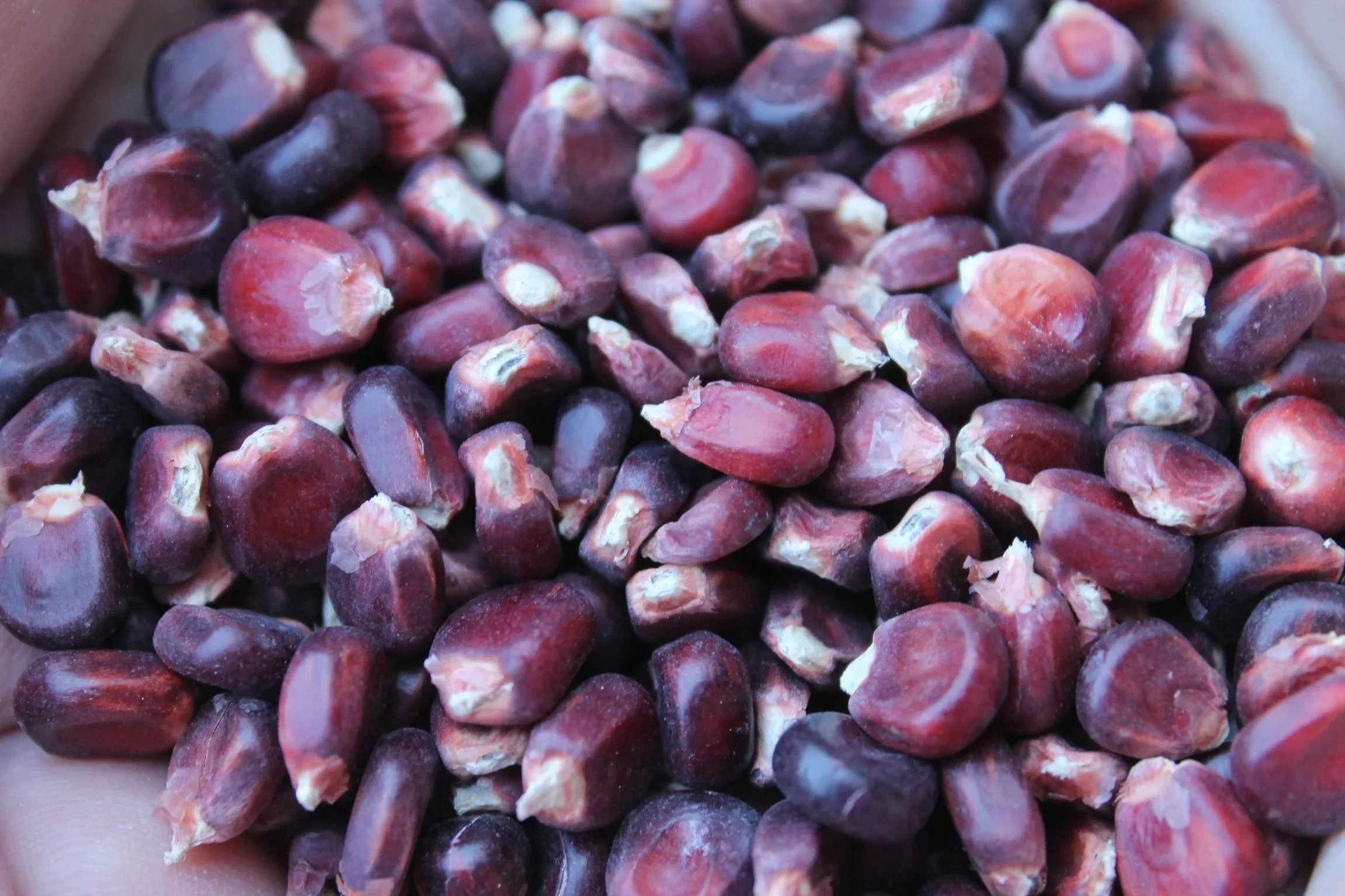
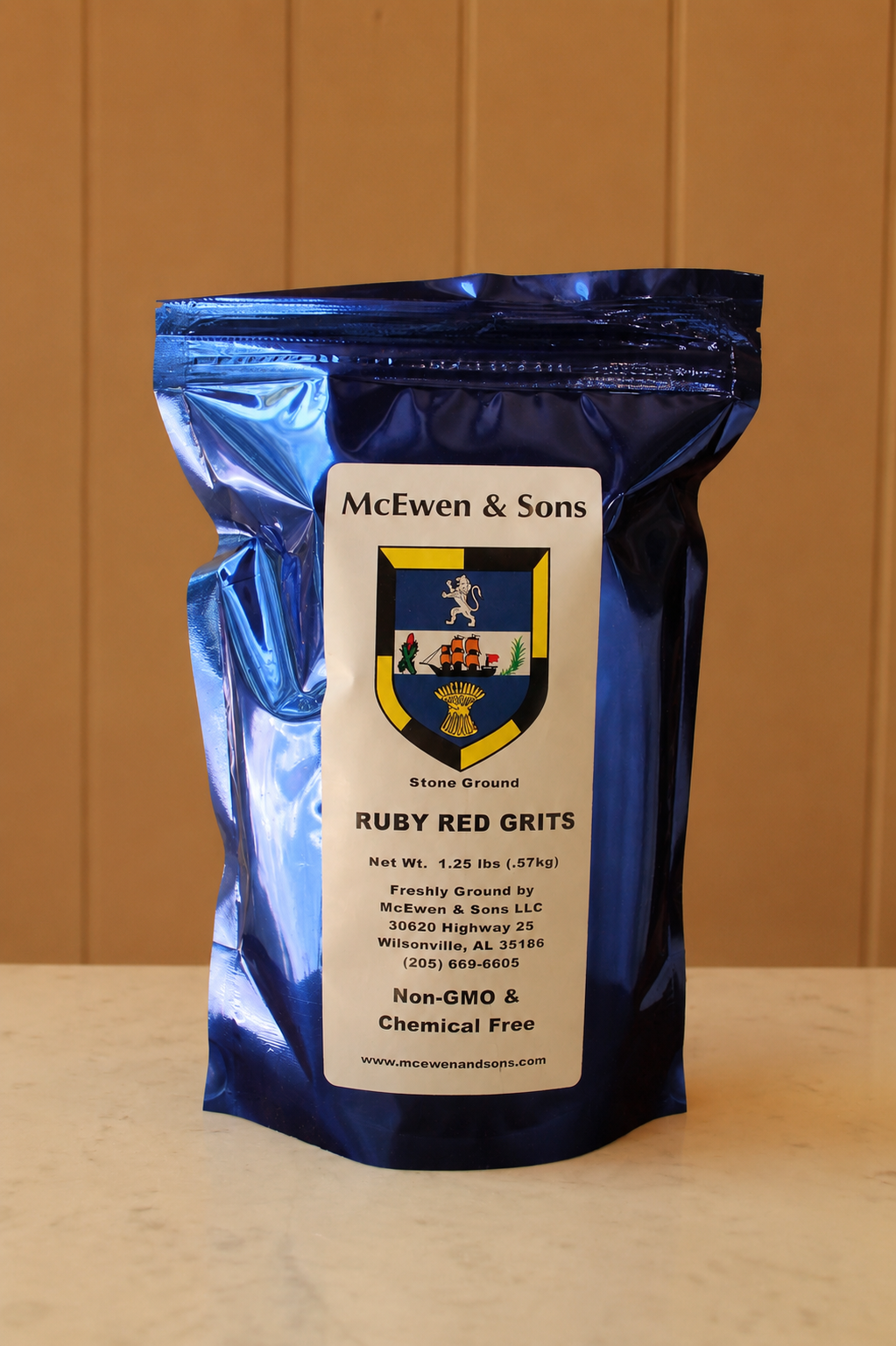
Our Stone-Ground Ruby Red Grits are crafted in small batches using certified organic red corn, creating a unique flavor and a naturally beautiful ruby red speckled appearance. Red corn brings a deeper, nuttier, slightly earthy sweetness that distinguishes these grits from traditional white or yellow varieties. Perfect for chefs, home cooks, and anyone looking to add a visually striking and flavor-forward twist to classic Southern grits dishes.
