

McEwen & Sons Southern Cornbread Dressing
There are certain dishes that always belong on a Southern Thanksgiving table, and we believe cornbread dressing is one of them. And if cornbread is going to be the foundation of the dish, we think it's worth starting with high-quality cornmeal. Traditional cornbread dressing has tons of flavor but usually looks like a casserole with not much color. Cornbread dressing made with our stone-ground cornmeal, as you can see above, makes a dressing with an incredibly rich yellow color and deep corn flavor. The life hasn’t been processed out of our cornmeal and in dishes like this, it truly shows.
Southern Holiday Pantry Staples: What We’re Loving This Season
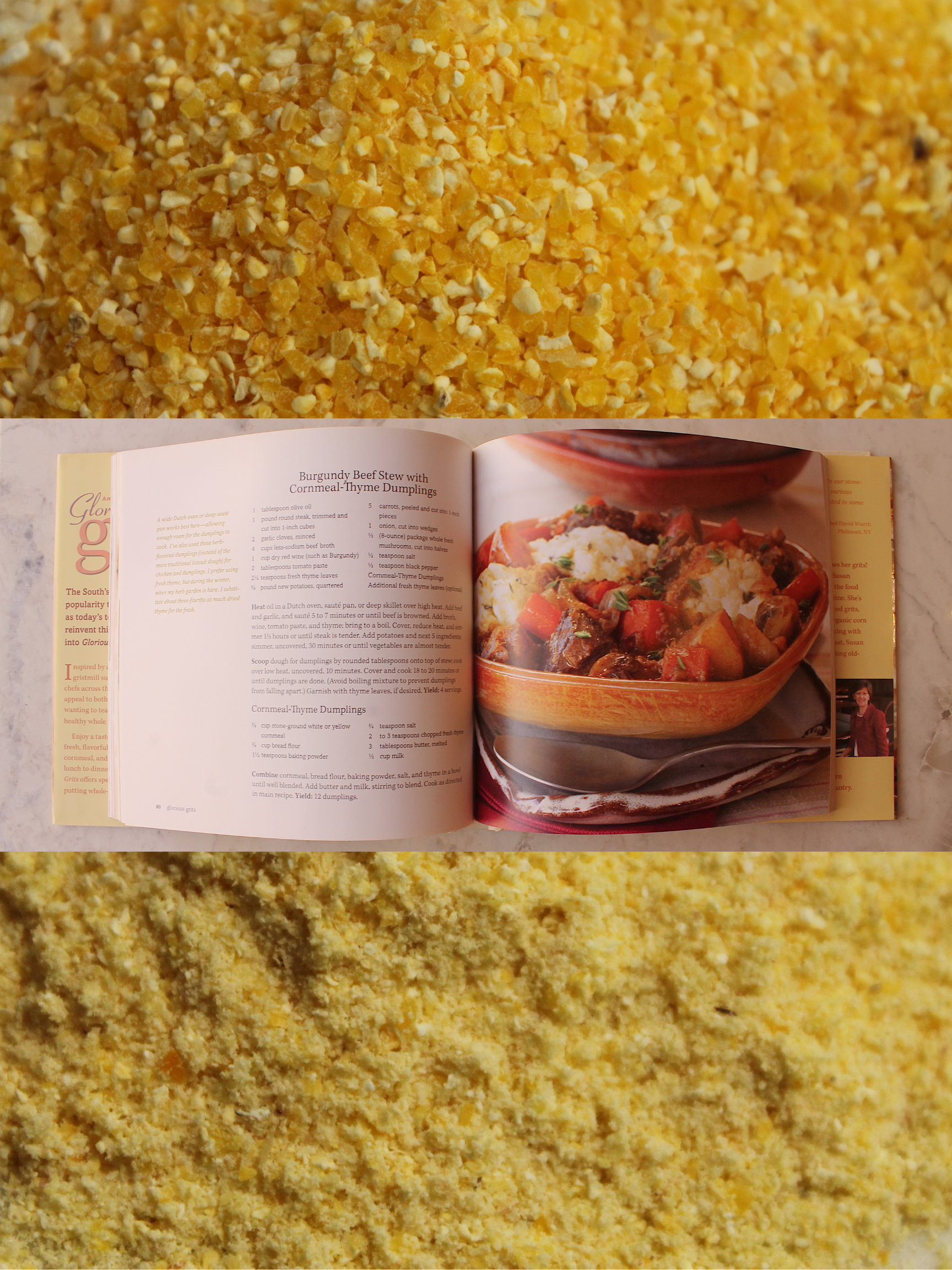
With Thanksgiving and Christmas just around the corner, these are three simple pantry staples we're keeping close this holiday season: stone-ground yellow grits for feeding a crowd, fine-ground yellow cornmeal for incredibly tender cornbread and dressing, and a cookbook full of inspiration for everything in between.
What We Look for in Corn Before We Ever Mill It
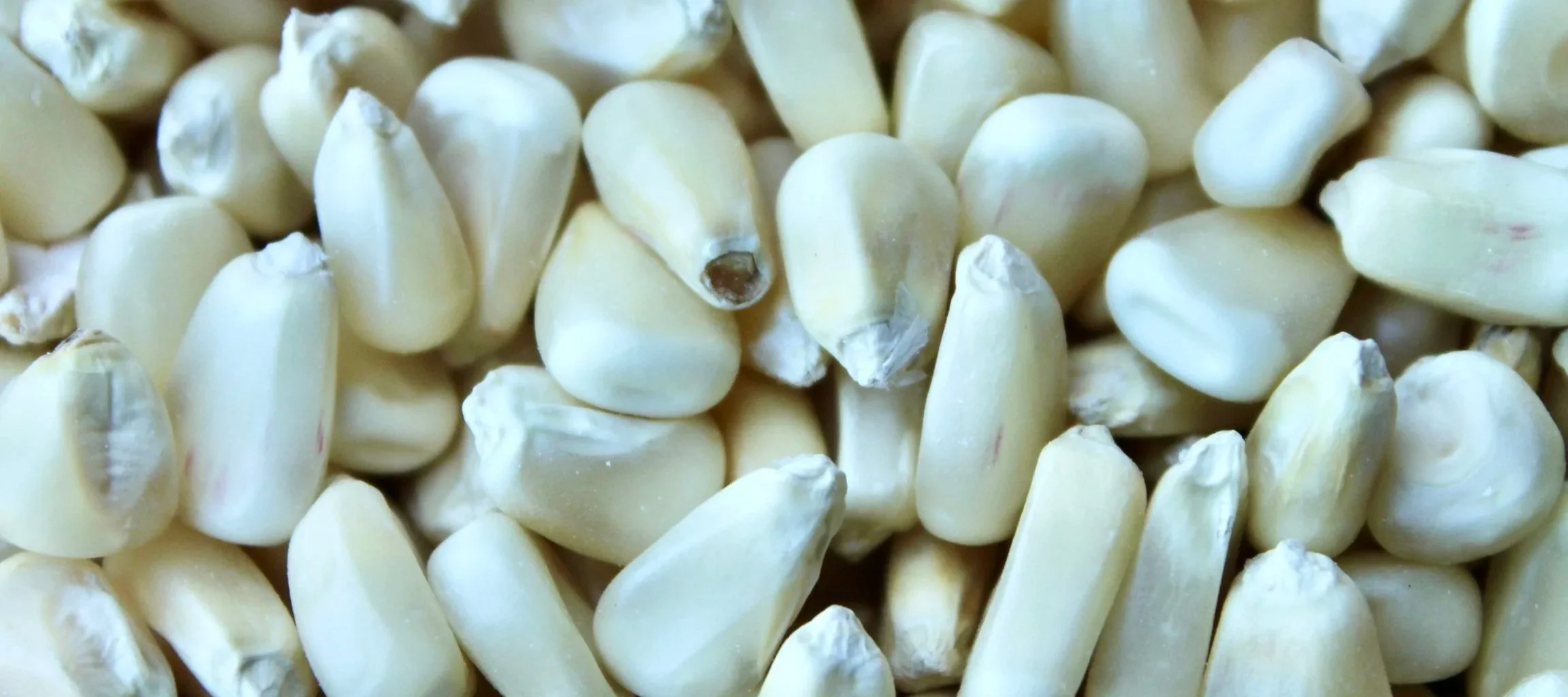
Good grits start long before the corn reaches the millstones. At McEwen & Sons, we spend a lot of time talking about how we mill our corn. We use a traditional stone-burr gristmill, take our time with the process, and make grits and cornmeal the way we believe they ought to be made. But there's something just as important as the mill itself: The corn you put into it. A miller can control the grind, but he can't manufacture quality that wasn't in the corn to begin with. That's why we start with real, Certified Organic corn and mill several distinct varieties: white, yellow, blue, and Ruby Red corn. Each looks different. Each has its own character. And each reminds us of a simple principle we've believed for years: Good grits start with good corn.
Why We Keep Our Stone-Ground Grits in the Refrigerator
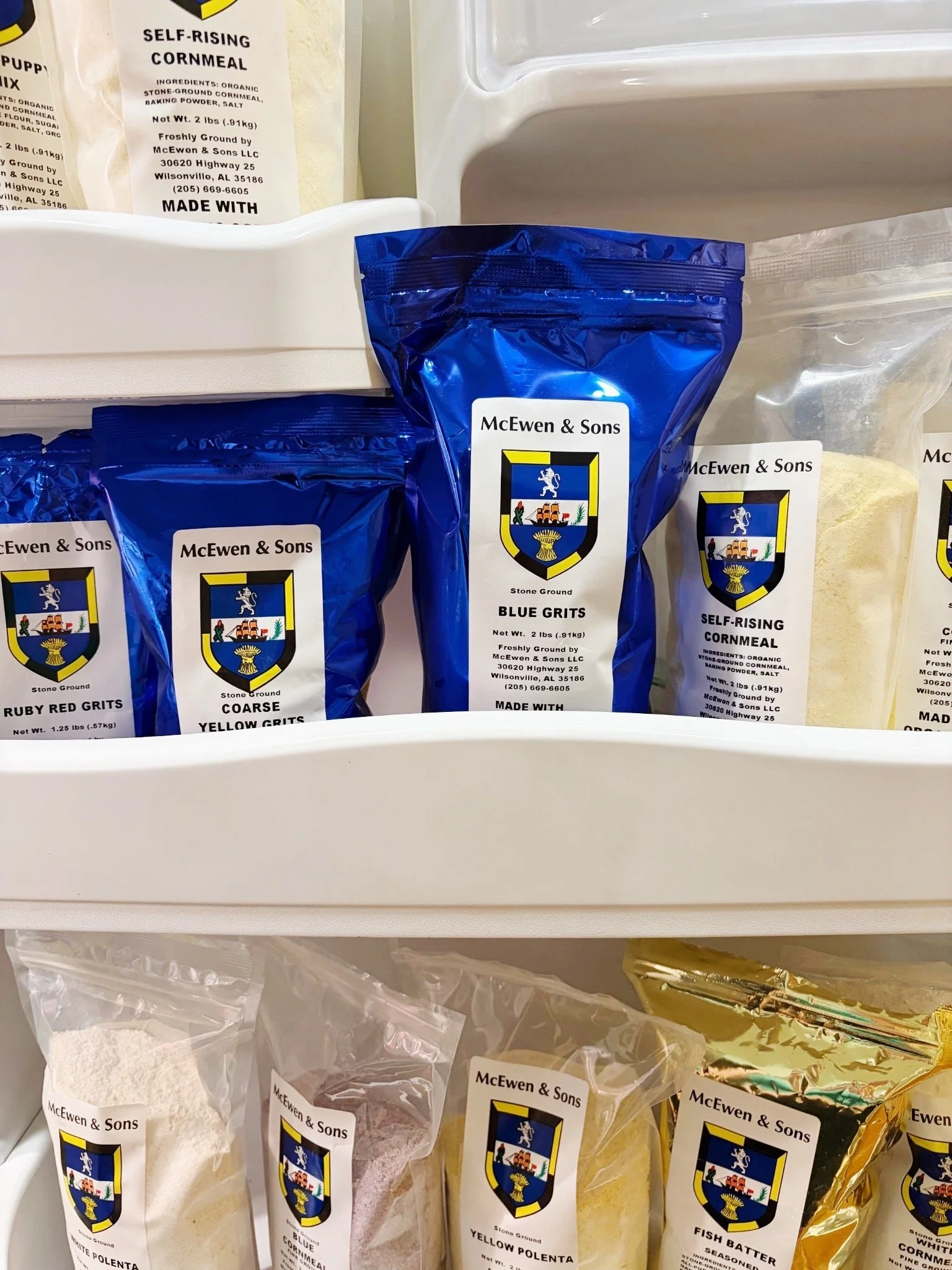
Can you tell we are the grits people by the looks of our refrigerator? If you've ever picked up a bag of McEwen & Sons stone-ground grits, you may have noticed something unusual on the label: Keep refrigerated or frozen. Grits are a dry food, so why would they need to be kept cold? The short answer is that traditional stone-ground grits can retain naturally occurring parts of the corn kernel—including the germ and its oils—that can affect shelf life. Keeping our grits refrigerated or frozen helps protect those natural oils and keeps the grits fresh for longer. It's one of the differences that comes with making grits the old-fashioned way.

Southern Cornsticks: An Old-Fashioned Recipe for Fall Soups
When the weather starts to cool down and the first pots of soup begin simmering on the stove, there's something especially comforting about a basket of warm, golden cornsticks alongside it. Crispy around the edges, tender in the middle, and made with stone-ground cornmeal, Southern cornsticks are an old-fashioned companion to a good bowl of soup.

Why Stone-Ground Matters: How We Mill Our Corn at McEwen & Sons
Stone-ground grits and cornmeal are becoming harder to find. At McEwen & Sons, that's exactly why we still make them the old-fashioned way. Walk into our mill in Wilsonville, Alabama, and you'll find something that has become increasingly uncommon in modern food production: a working stone-burr gristmill. While much of today's commercial grain milling relies on high-speed steel rollers and other modern equipment, our corn is slowly ground between two large stones. It's an old-fashioned process. And we believe it's worth preserving.

Stone-Ground Grits vs. Polenta vs. Cornmeal: What’s the Difference?
If you've ever wondered about the difference between stone-ground grits, polenta, and cornmeal, you're not alone. They all come from ground corn, but the differences in grind, texture, and how they are used in the kitchen can make a big difference in your finished dish.