
How to Make Creamy Stone-Ground Grits: The Complete Guide to Cooking Grits
There are few foods more closely tied to the South than a good bowl of grits. But if you've ever cooked stone-ground grits for the first time, you may have discovered that making truly creamy, flavorful grits takes a little more than boiling water and stirring in a bag of grits.
The secret is patience.
Stone-ground grits are made from whole dried corn that is coarsely ground, giving them a texture and corn flavor that you simply don't get from highly processed quick or instant grits. That larger grind also means they need more time and liquid to become tender and creamy. At McEwen & Sons, we've been stone-grinding organic corn in Wilsonville, Alabama, and learning what makes a great bowl of grits for decades. Here's everything you need to know to cook them properly—from choosing your grits to getting that perfect creamy consistency.
What Are Stone-Ground Grits?
Grits are made from dried corn that has been ground into a coarse meal. Traditionally, Southern grits are made from starchy varieties of corn, including white and yellow corn. Stone-ground grits are made by grinding the dried corn between stones. Because the corn is less extensively processed, stone-ground grits have a coarser texture and a more pronounced corn flavor than quick or instant grits. And that's exactly what makes them worth the wait. A good stone-ground grit should taste like corn—not simply like the butter, cheese, or cream that you add to it.
Stone-Ground vs. Quick vs. Instant Grits
Before you start cooking, it's important to know what kind of grits you're using.
Stone-Ground Grits
These are the traditional, coarse-ground grits. They take longer to cook but develop a rich corn flavor and creamy texture. Depending on the particular corn and grind, expect stone-ground grits to take roughly 20-40 minutes or more to become completely tender. Some traditional recipes cook them for more than an hour.
Quick Grits
Quick grits are milled more finely, allowing them to cook much faster. They're convenient, but their finer grind produces a different texture and cooking experience. They are stripped of the corns natural germ and nutrient density. The life and nutrients are processed completely out of the corn.
Instant Grits
Instant grits have been precooked and dehydrated so they can be prepared very quickly with hot water. They're convenient, but they don't provide the same cooking experience or texture as traditionally stone-ground grits. They are also stripped of the corns natural germ and nutrient density. The life and nutrients are processed completely out of the corn.
If you're cooking McEwen & Sons stone-ground grits, don't use the cooking time on a box of instant or quick grits as your guide.
Good grits take time.
How to Make Creamy Stone-Ground Grits
The basic method is simple:
Grits + liquid + salt + time.
Classic Stone-Ground Grits
Ingredients
1 cup stone-ground grits
4 cups water, milk, or a combination of the two
Salt, to taste
Butter, to taste
The exact amount of liquid can vary depending on the grind of the grits and how thick you like them.
Step 1: Bring Your Liquid to a Simmer
Bring your water, milk, or combination of the two to a gentle simmer.
Season the liquid with salt.
If you're using milk, keep the heat moderate so that it doesn't scorch.
Step 2: Add the Grits Slowly
Gradually whisk the grits into the simmering liquid.
Adding them slowly while stirring helps prevent clumps.
Once the grits are incorporated, reduce the heat to low.
Step 3: Cook Low and Slow
This is the part people often rush.
Stone-ground grits need time for the coarse pieces of corn to absorb liquid and become tender.
Cook them gently, stirring frequently, until they are soft and creamy. Depending on your particular grits, this can take 20-40 minutes or longer.
Step 4: Finish With Butter
Once the grits are completely tender, remove them from the heat and stir in butter.
This is also the time to add cheese, cream, or any other ingredients you desire.
Taste and adjust the salt.
Then serve them hot.
Note: Don’t want to stop here? See what else you can do with McEwen & Sons Stone Ground Grits in our Breakfast Quiche Recipe with a Stone-Ground Grits Crust.
What Is the Secret to Creamy Grits?
Don't stop cooking them too early. This is probably the single most important lesson when making stone-ground grits. If your grits are thick but still have a gritty, crunchy texture, they aren't done yet. Add a little more liquid and continue cooking. As the corn continues to hydrate and soften, the texture will change from coarse and grainy to tender and creamy. A properly cooked stone-ground grit should have enough body to hold its shape briefly on a spoon while still being soft and creamy.
Should You Use Water or Milk for Grits?
Both work. Water allows the flavor of the corn itself to come through most clearly. It's an excellent choice when you're serving grits with strongly flavored toppings. Milk produces richer, creamier grits and adds a subtle sweetness.
A Combination
For many cooks, the best approach is a combination of water and milk. There isn't one “correct” liquid for grits. Using milk will naturally produce more creamy grits with a softer corn flavor.
Why Are My Grits Gritty?
If your grits are gritty, there are usually two possibilities:
1. They Need More Cooking
This is the most common problem. Stone-ground grits are coarse and require considerably more cooking time than quick or instant grits. Add a little water and continue simmering.
2. Your Grits Have a Naturally Coarser Grind
Stone-ground grits aren't supposed to have the same texture as instant grits. Part of their appeal is the texture of the ground corn. The goal isn't to eliminate every bit of texture. The goal is to cook the corn until it is tender, creamy, and pleasantly textured.
Why Did My Grits Get Too Thick?
Grits continue absorbing liquid as they sit. That means a pot of perfectly creamy grits can become quite thick after sitting for 15 or 20 minutes. The solution is simple: Add a little more liquid and stir. Water works perfectly well. Milk will make them richer. If you're reheating leftover grits, add liquid gradually while stirring over low heat until they return to the consistency you want.
How Long Do Stone-Ground Grits Take to Cook?
There's no single cooking time that applies to every stone-ground grit. The grind size, corn variety, cooking method, and amount of liquid can all affect the final cooking time. As a general starting point, plan on 20-40 minutes, with some traditional preparations taking longer. Don't cook stone-ground grits strictly by the clock. Cook them until they're tender. That's the better test.
How Do You Know When Grits Are Done?
Taste them. Seriously. The best way to tell whether grits are done is to take a spoonful and taste it. The corn should be completely tender without a hard or crunchy center.The consistency should be creamy rather than watery, but still loose enough to spread across the plate. Remember: Grits should be creamy when they're done—not simply thick.
How to Make Cheese Grits
Cheese grits are one of the South's great combinations. Start with properly cooked stone-ground grits. Then remove the pot from the heat and stir in your cheese a little at a time. Sharp cheddar is a classic choice, but there are no hard rules.
Try:
Sharp cheddar
White cheddar
Parmesan
Gouda
Pepper Jack
The important thing is to start with good grits.
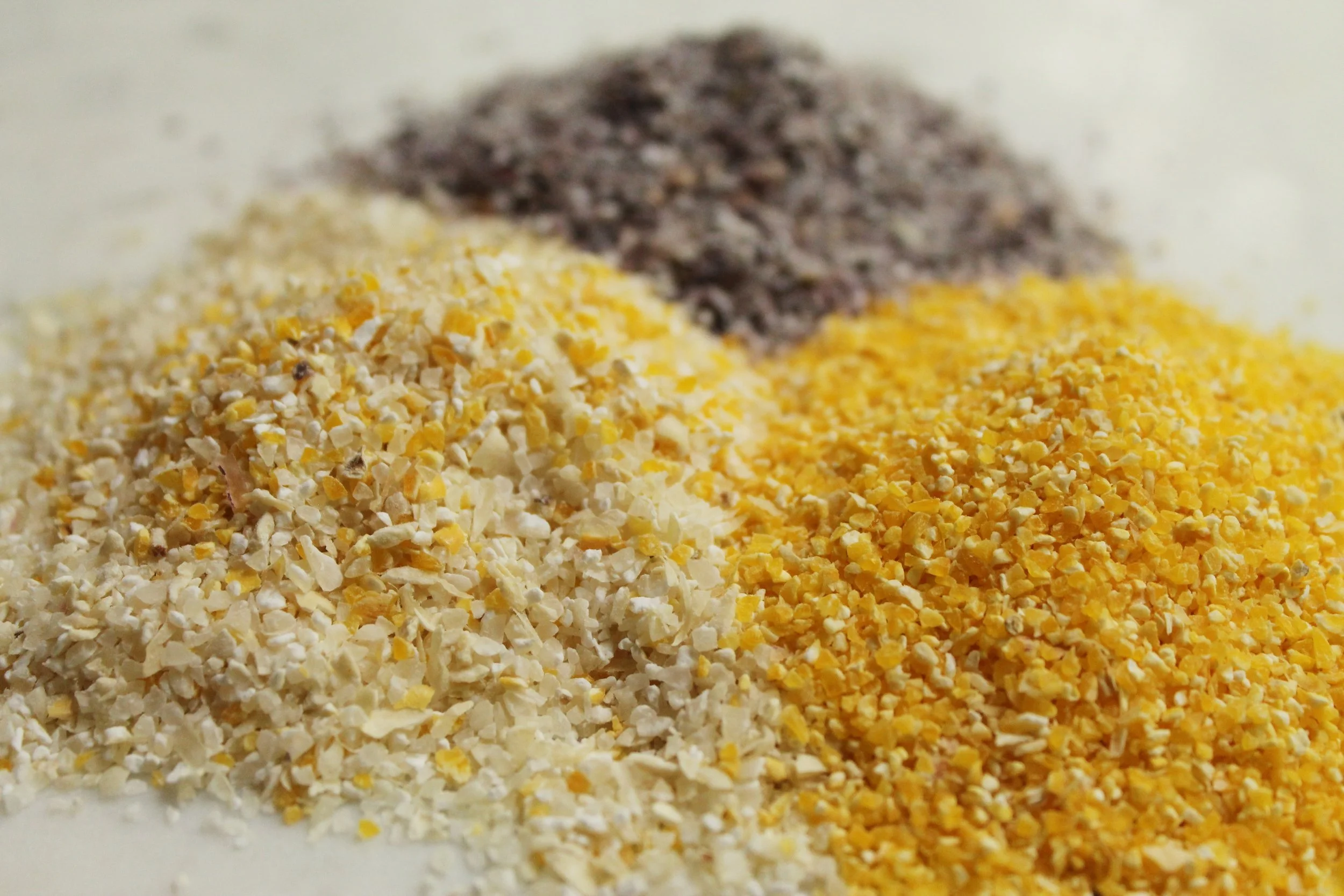
What Are the Different Colors of Grits?
One of the most interesting things about grits is that they don't have to be white. The color of your grits comes from the variety of corn used to make them.
White Corn Grits
White corn generally produces a mild, delicate corn flavor and the familiar creamy white appearance associated with traditional Southern grits.
Yellow Corn Grits
Yellow corn produces a deeper golden color and often has a more pronounced corn flavor.
Blue Corn Grits
Blue corn produces naturally blue-gray grits with a distinctive appearance and a deeper, nuttier character.
Red Corn Grits
Red corn produces grits with a beautiful warm color and a distinctive flavor that can be deeper and more earthy than traditional white or yellow corn.
Different varieties of corn can produce noticeably different colors and flavor profiles, even when they're prepared using the same basic cooking method.
How to Store Stone-Ground Grits
Because stone-ground grits are less processed than instant or highly refined varieties, proper storage is important. For the best freshness, store stone-ground grits in an airtight container in the refrigerator or freezer. The colder environment helps preserve the natural qualities of the ground corn and extends its shelf life.
How to Reheat Grits
Leftover grits can be excellent the next day. The key is adding liquid.
Place the grits in a saucepan over low heat and add a little water or milk. Stir frequently as they warm.
Continue adding small amounts of liquid until the grits return to a creamy consistency.
Don't be surprised if refrigerated grits become very firm. That's normal.
Once reheated with a little liquid, they'll loosen back up.
What Goes With Grits?
Grits are incredibly versatile. They're just as comfortable alongside breakfast as they are underneath a piece of Gulf shrimp.
Try stone-ground grits with:
Shrimp
Fried fish
Bacon
Sausage
Ham
Eggs
Pulled pork
Braised beef
Roasted vegetables
Mushrooms
Cheese
Gravy
And don't overlook them as a simple side dish.
Ruth Reichl—former editor-in-chief of Gourmet, longtime restaurant critic, recipient of the James Beard Foundation’s 2024 Lifetime Achievement Award, and one of America’s most respected food writers— writes about how our grits make a great base for Shrimp and Grits. Read more about the feature here.
Sometimes the best bowl of grits is simply hot grits, butter, salt, and a little pepper.
The Most Important Rule for Cooking Grits
If you remember only one thing from this guide, remember this: Don't rush the grits. Stone-ground grits are a traditional food made from a simple ingredient. They don't need complicated techniques. They need good corn, proper milling, enough liquid, gentle heat, and time. When you give them those things, the result is something far greater than the sum of its parts: a bowl that's creamy, deeply flavorful, and unmistakably Southern.
Why We Stone-Ground Our Grits
At McEwen & Sons, we believe the best grits start long before they reach the pot. They start with the corn. The variety matters. The quality of the grain matters. The way the corn is milled matters. That's why we continue to stone-grind our grits in the traditional way at our family mill in Wilsonville, Alabama. We make several varieties of stone-ground grits, each with its own character—from classic white and yellow corn to distinctive blue and Ruby Red varieties. Different corn. Different character. Same Southern tradition.
Frequently Asked Questions About Grits
Are stone-ground grits better than instant grits?
They're different products made for different purposes. Stone-ground grits generally provide a coarser texture, a more pronounced corn character, and a more nutrient dense product, while instant grits are designed for speed and convenience.
Why do stone-ground grits take so long to cook?
Their coarse grind means the corn particles need more time to absorb liquid and become tender. That's part of what gives traditionally cooked stone-ground grits their characteristic texture.
Can I cook stone-ground grits with milk?
Absolutely. Milk can produce a particularly rich and creamy result. You can also use a combination of water and milk.
Can I make grits ahead of time?
Yes. Cooked grits can be refrigerated and reheated. Add water or milk while reheating to restore their creamy consistency.
Why are my grits still gritty?
They may simply need more time. Continue cooking over low heat and add liquid as necessary until the corn becomes tender.
Are yellow grits different from white grits?
Yes. The color comes from the corn variety, and the different varieties can have different flavor characteristics. White corn tends to be more delicate, while yellow corn often has a more pronounced corn flavor.
Can you make grits from blue or red corn?
Yes. Blue and red corn can be ground into grits just like white and yellow corn. The resulting grits have their own distinctive colors and flavor characteristics. Shop our Stone Ground Blue Grits and Stone Ground Ruby Red grits here
A Bowl of Grits Is Simple. Making Great Grits Takes Time.
There's a reason grits have remained a Southern staple for generations. They're simple. Corn. Water. Salt. Time. But when the corn is good and the milling is done right, simple doesn't mean ordinary. Start with good corn. Cook it slowly. Give it time. And don't be afraid to stir. That's how you make a great bowl of stone-ground grits.

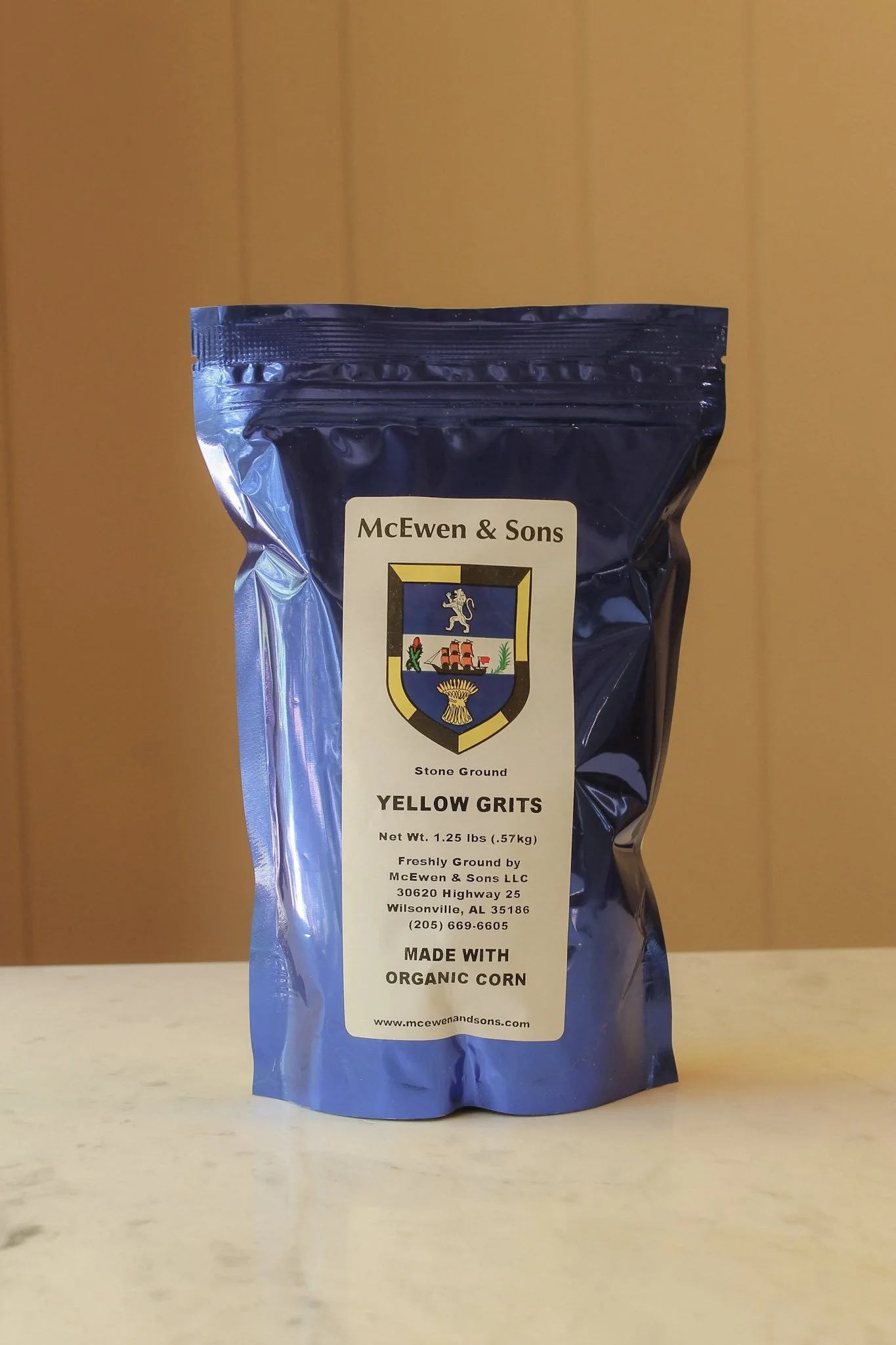
Our Stone-Ground Yellow Grits are milled in small batches using 100% certified organic corn to create the rich, buttery flavor and hearty texture. Naturally sweet and full of whole-grain goodness, these grits deliver true Southern character in every bowl. Whether you’re cooking a comforting breakfast or a classic shrimp and grits dinner, their depth of flavor and stone-ground quality make them a staple in any kitchen. These classic Southern grits have become one of our most popular products and a favorite among chefs from coast to coast.
