
Southern Cornsticks: An Old-Fashioned Recipe for Fall Soups
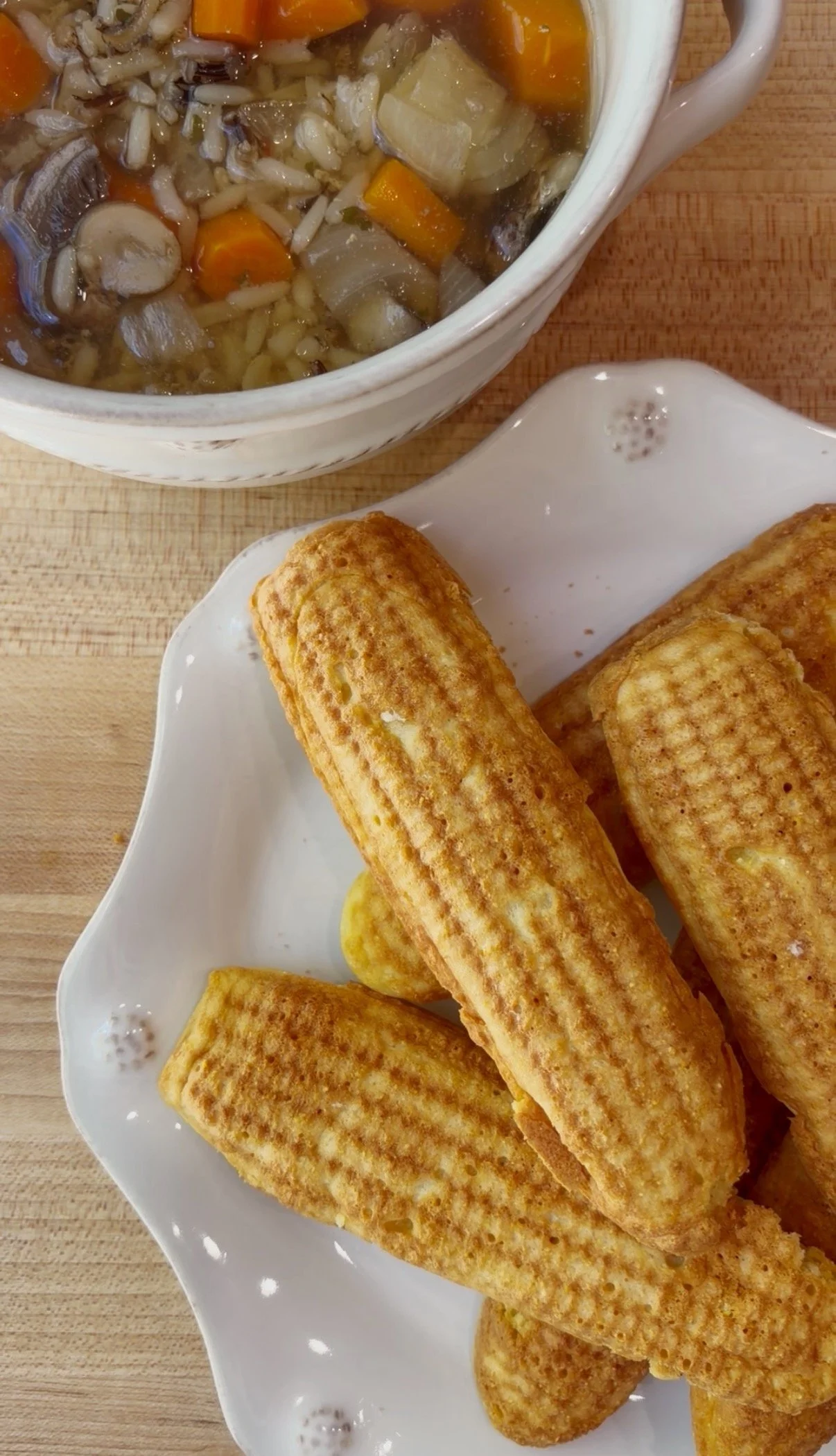
Stone-Ground Cornsticks: The Perfect Companion to Any Soup
When the weather starts to cool down and the first pots of soup begin simmering on the stove, there's something especially comforting about a basket of warm, golden cornsticks alongside it. Crispy around the edges, tender in the middle, and made with stone-ground cornmeal, Southern cornsticks are an old-fashioned companion to a good bowl of soup.
They're simple, but that's part of their appeal. Good cornmeal, a well-seasoned cornstick pan, and a hot oven are all you need to turn a simple bowl of cornmeal batter into something special. And when you're cooking with stone-ground cornmeal, you get to taste the corn itself.
Cornsticks are a traditional Southern form of cornbread baked in a specially shaped cornstick pan. Unlike a skillet of cornbread, which is cut into wedges or squares, cornsticks are individually shaped into long, narrow pieces resembling little ears of corn. The ridges and shape of the pan create plenty of crispy edges while the inside stays tender and moist. They're especially good served hot alongside soups, stews, chili, and other hearty fall meals.
Why Cornsticks Are Perfect for Soup
A good soup doesn't necessarily need a complicated side dish. Sometimes, all you need is something warm and tender to go alongside it. We grew up saying, “A good soup needs good sopping.” These cornsticks are just the thing for it. Crispy around the edges, tender in the middle, and made with stone-ground cornmeal, they're perfect for soaking up every last bit of a good bowl of soup. The crisp exterior holds up well when dipped into broth, while the tender cornmeal center soaks up the flavors of the soup.
Try serving these Southern cornsticks alongside:
Chicken and dumpling soup
Vegetable soup
Brunswick stew
Beef stew
Chili
Chicken soup
Tomato soup
Potato soup
White bean soup
Butternut squash soup
Why Use Stone-Ground Cornmeal?
The foundation of a good cornstick is, of course, cornmeal. And the cornmeal you choose makes a difference. Stone-ground cornmeal is produced by grinding whole kernels of corn between stones. This traditional milling process produces a meal with a distinctive texture and a more pronounced corn character.
At McEwen & Sons, we stone-grind our corn in Wilsonville, Alabama, using a traditional stone-burr gristmill. Stone-ground cornmeal gives these cornsticks a hearty texture and genuine corn flavor that pairs beautifully with a steaming bowl of soup.
The Importance of a Hot Cornstick Pan
If you've never made cornsticks before, the pan matters. Traditional cornstick pans have individual molds that create the distinctive shape and ridges. Cast-iron pans are particularly well suited to cornsticks because they hold heat exceptionally well. A properly preheated pan is important for getting those crispy edges. When the batter hits a hot, well-seasoned pan, it begins cooking immediately. This helps create the browned, crisp exterior that makes cornsticks so good. It's the same principle that makes a hot cast-iron skillet so useful for Southern cornbread.
How to Get Crispy Cornsticks
There are a few simple things that can make a big difference.
Preheat the pan: Give your cornstick pan plenty of time to heat up before adding the batter.
Don't skimp on the fat: A little oil, butter, bacon grease, or another cooking fat helps create those crisp, browned edges.
Don't overmix the batter: Mix your ingredients just until they're incorporated. Overmixing can produce a tougher finished product.
Serve them hot: Cornsticks are at their best when they're fresh from the oven—crispy on the outside and tender inside.
Glorious Grits Cornsticks
Ingredients
Cooking spray
2/3 cup McEwen & Sons stone-ground yellow, white, or blue cornmeal
¼ cup all-purpose flour
1 teaspoon baking powder
¼ teaspoon salt
½ cup nonfat milk
1 large egg, lightly beaten
Optional: 3-4 tablespoons seeded, minced jalepeño peppers (~1 ½ peppers)
Coat a cast-iron cornstick pan with cooking spray, and place in oven.
Preheat oven to 425°. (If oven is already preheated, place pan in hot oven for about 5 minutes.)
Combine cornmeal, flour, baking powder, and salt in a bowl until well blended. Combine milk and egg; add to cornmeal mixture, and stir just until blended. Spoon mixture into preheated cornstick pan, filling full; bake at 425° for 15 minutes or until lightly browned.
Yield: 6 cornsticks.
Optional: Adding jalepeños to this recipe adds a subtle kick and an incredible depth of flavor. To add in jalapeños, melt butter in a small skillet over medium heat; add 3-4 tablespoons of seeded, minced jalapeño peppers, and sauté 3 minutes or until tender. Stir in the cooked jalapeños to the cornstick batter at the very end of mixing, then spoon mixture into the preheated cornstick pan.
Make Cornsticks Part of Your Fall Table
One of the best things about cornsticks is how naturally they fit into fall cooking. Whether you're cooking supper for your family on a cool weeknight, hosting friends around a fire, preparing a meal for a football weekend, or simply looking for something to serve alongside a pot of chili, these little Southern cornsticks are an easy way to make the meal feel special. They're made for dipping!
A Southern Tradition Worth Keeping
Cornbread has been part of Southern cooking for generations, and cornsticks are one of the oldest and most distinctive ways to serve it. There's nothing complicated about them. They're made from ingredients that have long been staples in Southern kitchens, baked in a traditional pan, and served alongside hearty dishes. That's exactly the kind of cooking we appreciate at McEwen & Sons.
Our stone-ground cornmeal starts with whole kernels of corn and is slowly ground at our family gristmill in Wilsonville, Alabama. Because when you're making something as simple as a cornstick, good corn matters.
Frequently Asked Questions About Southern Cornsticks
What are Southern cornsticks?
Southern cornsticks are a type of cornbread baked in a specialized cornstick pan. The pan gives them their distinctive elongated shape and creates crisp, browned edges.
What do you serve with cornsticks?
Cornsticks are especially good with soups, stews, chili, beans, greens, and other hearty Southern dishes. They're also delicious served alongside breakfast or as a simple side with dinner.
Can I use stone-ground cornmeal for cornsticks?
Yes. Stone-ground cornmeal works particularly well in cornsticks, providing a hearty texture and pronounced corn flavor.
Do you need a cast-iron cornstick pan?
A cast-iron cornstick pan is traditional and works particularly well because cast iron retains heat and helps create crisp edges. Other cornstick pans can also be used.
Why do you preheat a cornstick pan?
Preheating the pan helps the batter begin cooking immediately when it is added. This contributes to the browned, crispy exterior that makes cornsticks distinctive.
Are cornsticks the same as cornbread?
They're essentially a different preparation of cornbread. The primary difference is the shape and baking method: cornsticks are baked individually in molds rather than as one large loaf or skillet of cornbread.
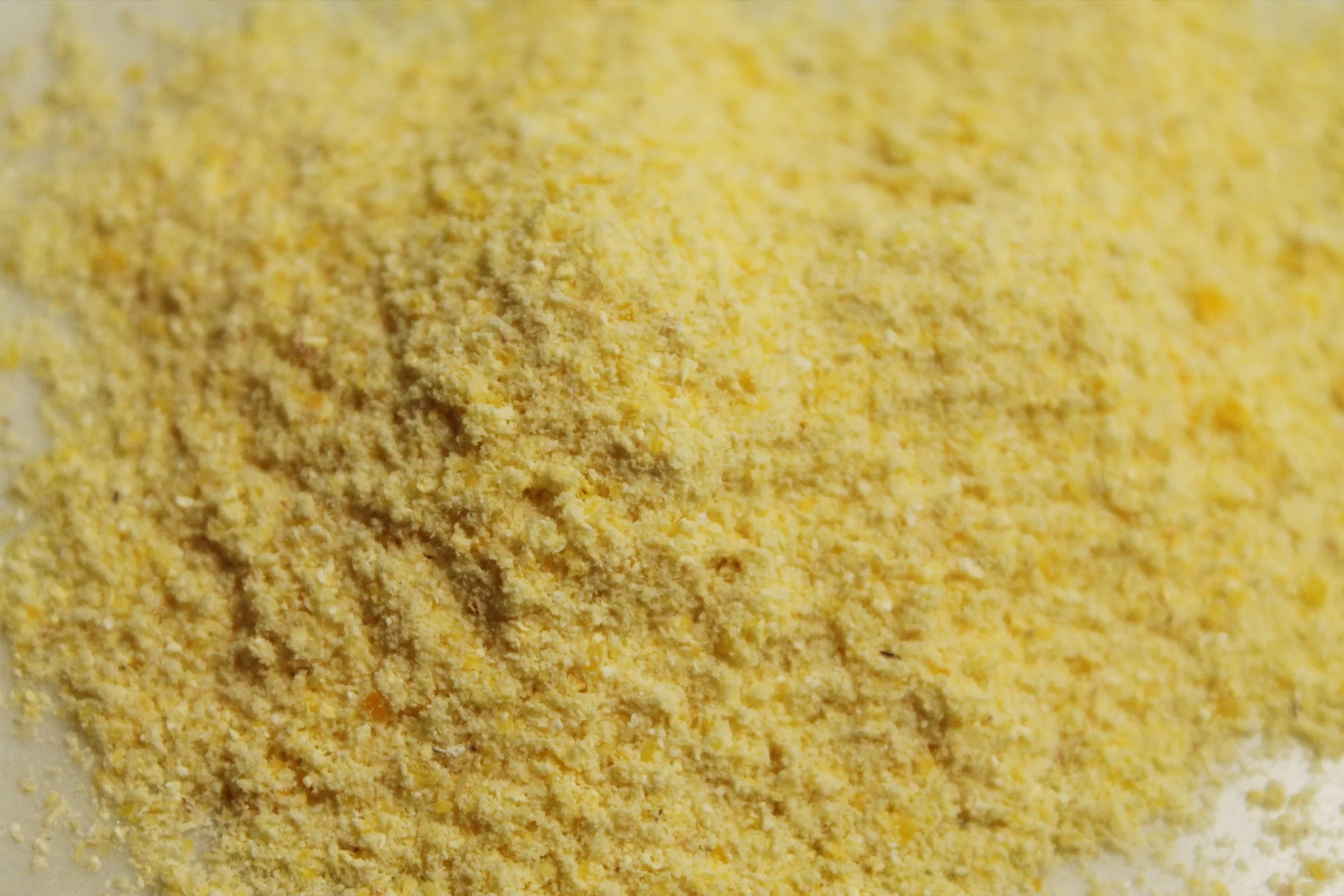
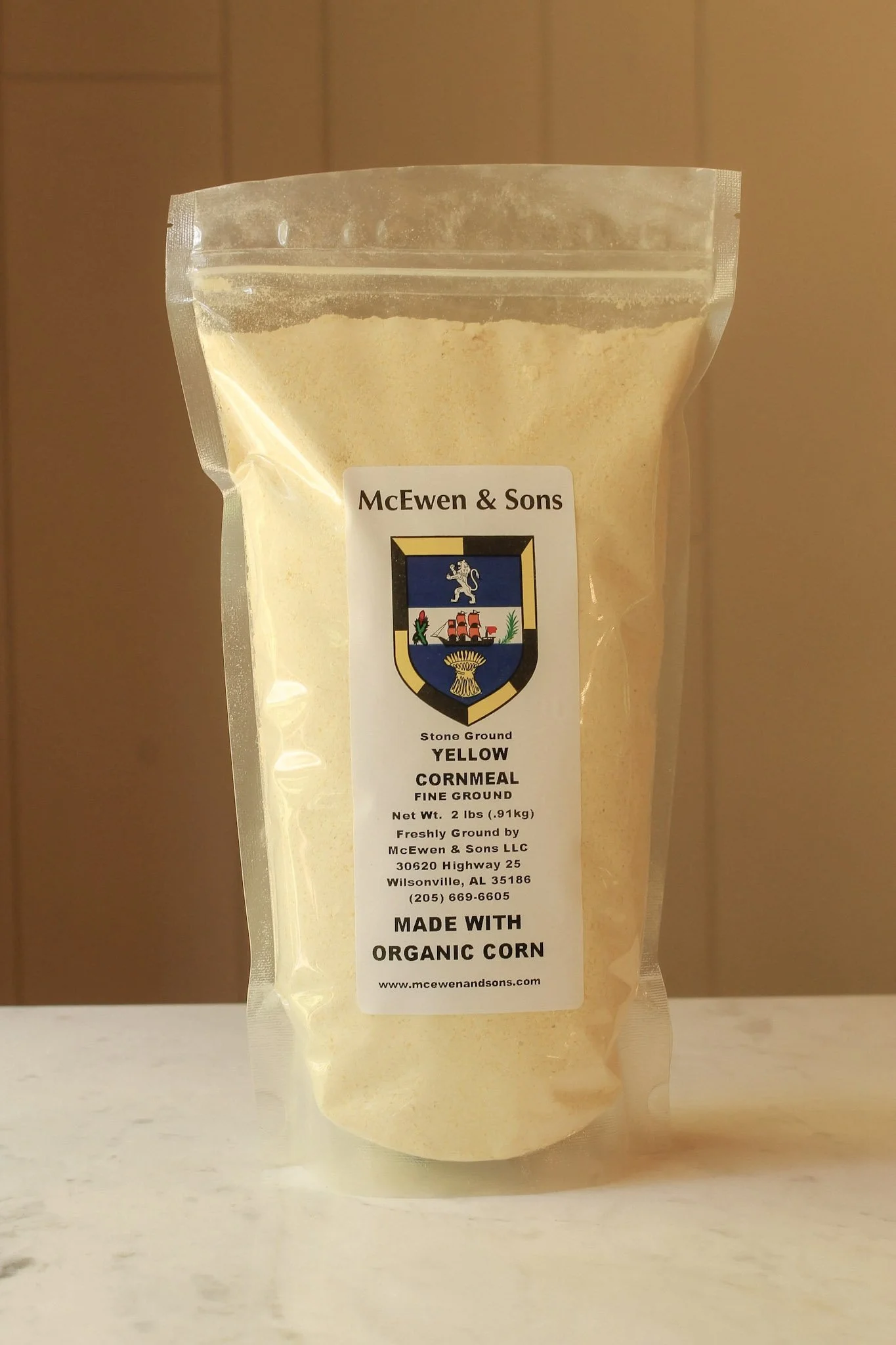
Our Stone-Ground Yellow Cornmeal – Fine Ground is made from certified organic yellow corn and milled to a silky, soft texture perfect for tender Southern baked goods, muffins, pancakes, and hushpuppies. The naturally golden corn flavor shines through with a sweet, buttery taste, while the fine grind creates a smooth, delicate crumb for soft, moist baked dishes. Fine ground yellow cornmeal is ideal for recipes that call for a lighter, more tender texture without sacrificing the rich, natural flavor of stone-ground corn.
