
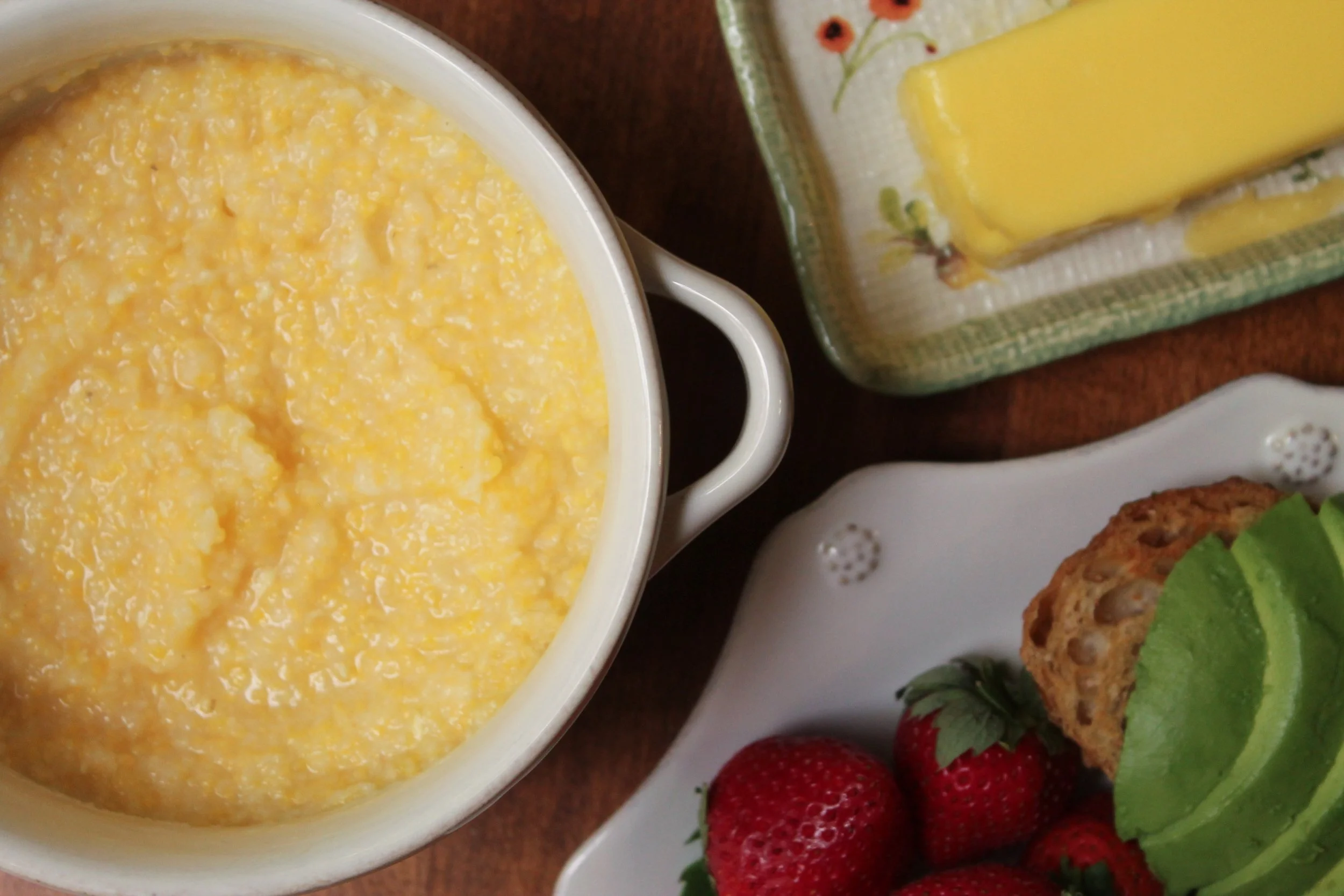
Salted or unsalted? How much should you use? And what actually makes a good butter? When you're cooking something as simple as grits, every ingredient matters.
At McEwen & Sons, we spend a lot of time talking about corn—because good grits have to start with good corn. But once those stone-ground grits make it into your kitchen, one of the ingredients most likely to join them in the pot is butter. So what kind of butter should you use in grits?
For most pots of stone-ground grits, we recommend a good-quality real butter with a simple ingredient list. Unsalted butter gives you the most control over seasoning, while salted butter works beautifully if you account for the extra salt.
And when we say "good-quality butter," we don't necessarily mean the most expensive butter in the grocery store. We mean real butter made primarily from good cream, with a rich, clean dairy flavor and without a long list of unnecessary ingredients. The bigger lesson is simple: start with good butter, don't be afraid to use enough of it, and add most of it toward the end of cooking.
What Makes a Good-Quality Butter?
Turn the package over and read the ingredients. Good traditional butter should be remarkably simple. At its most basic, butter is made from cream, with salt added if it's salted butter. Cultured butters may also contain cultures that contribute additional flavor.
Take Kerrygold Unsalted Butter as an example. Its ingredient list is simple: Cultured pasteurized cream. Kerrygold also uses milk from grass-fed cows and makes its traditional Irish butter with a higher butterfat content than standard American butter.
You certainly don't have to buy Kerrygold to make good grits. There are plenty of excellent local, regional, and widely available butters.
Instead, use it as a good example of what to look for:
Real dairy butter
A short, recognizable ingredient list
Good cream
Rich, clean butter flavor
Higher butterfat, if you want an especially rich finish
Cultured butter, if you enjoy a slightly more complex flavor
For a simple bowl of stone-ground grits, those differences can actually be noticeable. There aren't enough ingredients in the bowl to hide behind.
What Is the Best Butter for Grits?
For everyday stone-ground grits, our first choice is a good-quality unsalted butter. Unsalted butter lets you control exactly how much salt goes into the finished dish. That's especially helpful with stone-ground grits because we prefer to season the cooking liquid and then make our final adjustments by taste.
If you're standing in the dairy aisle wondering what to buy, don't overthink it. Look for real butter with a simple ingredient list and good flavor. Kerrygold is an excellent example, but a good local creamery butter or your favorite traditional butter can work just as well.
And if all you have at home is salted butter? Use it! Good grits don't require a trip to a specialty grocery store.
Salted or Unsalted Butter for Grits?
Both work, but unsalted butter gives you more control. With unsalted butter, you decide how much salt goes into the pot. With salted butter, some of that decision has already been made for you. There's nothing wrong with that—you simply need to account for it. Our rule is simple: Using unsalted butter? Season your grits normally and adjust at the end.
Using salted butter? Be a little more conservative with the salt in your cooking liquid, then taste the finished grits before adding more. Either way, your taste buds are more useful than an exact formula.
How Much Butter Should You Put in Grits?
A good starting point is: 2 to 4 Tablespoons of Butter per 1 Cup of Dry Grits
For McEwen & Sons stone-ground grits, we'd start with about 2 tablespoons of butter per cup of dry grits and adjust from there. How you're serving the grits matters. If they're going underneath short ribs, shrimp, sausage, gravy, or another rich dish, you may want a little less.
If you're serving a simple breakfast bowl with little more than butter, salt, and pepper, you may want another pat.
When Should You Add Butter to Grits?
We prefer adding most of the butter toward the end of cooking, once the grits are tender. At that point, the butter becomes a finishing ingredient. Stir it into the hot grits until it melts completely and becomes incorporated throughout the pot. This gives the finished grits richness and a silky texture.
Our Basic Method
Cook your stone-ground grits slowly until they're fully tender.
Then:
Reduce the heat to very low or remove the pot from the heat.
Add your butter.
Stir until completely melted and incorporated.
Taste.
Adjust the salt and pepper.
Serve hot.
That's about as complicated as it needs to be.
What About Grass-Fed Butter?
Grass-fed butter can be an excellent choice for grits, but it isn't a requirement. Butter made from the milk of grass-fed cows is often recognizable by its deeper golden color and can have a rich, distinctive flavor. Kerrygold, for example, makes its butter with milk from grass-fed Irish cows.
We like that style of butter in grits because the butter itself tastes good. But the important point isn't that every bowl of grits must contain grass-fed butter. It's that when a recipe only has a handful of ingredients, choosing ingredients with good flavor pays off.
Butter or Cream: Which Is Better in Grits?
Butter primarily contributes richness and flavor. Cream contributes richness while also adding additional liquid. You can use one, the other, or both. For everyday grits, good butter may be all you need. For an especially rich dinner preparation, you might finish the grits with butter and a splash of cream.
Can You Put Too Much Butter in Grits?
We believe you can. There comes a point where butter stops complementing the corn and starts covering it up.
That's particularly important when you're cooking grits made from distinctive corn varieties like White, Yellow, Blue, or Ruby Red corn. Each has its own character. You've gone to the trouble of starting with good corn and cooking it slowly. Don't bury all that flavor underneath so much butter that every variety tastes the same.
Our approach is: Add enough butter to compliment the rich corn flavor—not enough to make the corn flavor disappear.
Good Corn Deserves Good Butter
We tend to believe simple foods deserve good ingredients. That's true of the corn we put through our mill, and it's true of what you put into the pot at home. You don't need a dozen ingredients to make an excellent bowl of grits.
Start with good stone-ground corn. Give it enough liquid. Give it enough time. Season it properly. Then finish it with good, real butter.
Frequently Asked Questions About Butter in Grits
What Is the Best Butter for Grits?
A good-quality real butter with a simple ingredient list is an excellent choice for grits. We generally prefer unsalted butter because it gives you greater control over seasoning.
Should I Use Salted or Unsalted Butter in Grits?
Either works. Unsalted butter gives you more control over seasoning, while salted butter is perfectly good if you reduce the additional salt and season the finished pot to taste.
How Much Butter Should I Put in Grits?
Start with 2 to 4 tablespoons of butter per cup of dry grits. For McEwen & Sons stone-ground grits, we like about 2 tablespoons per cup as a starting point, then adjust according to taste and what you're serving with them.
When Should I Add Butter to Grits?
Add most of your butter near the end of cooking, once the grits are fully tender. Stir until the butter is completely melted and incorporated, then taste and adjust your seasoning.
Is Grass-Fed Butter Better for Grits?
Grass-fed butter can have a rich flavor and works beautifully in grits, but it isn't necessary. The more important consideration is choosing a butter that tastes good and complements rather than overwhelms the corn.
Does Butter Make Grits Creamier?
Butter contributes richness and a smooth finish, but truly creamy grits begin with enough liquid and sufficient cooking time. Adding more butter won't fix grits that haven't cooked long enough.
Can You Make Grits Without Butter?
Yes. Butter isn't required to cook grits. You can finish grits with other fats or dairy products depending on the dish, although real butter is one of our favorite ways to finish a traditional pot of stone-ground grits.
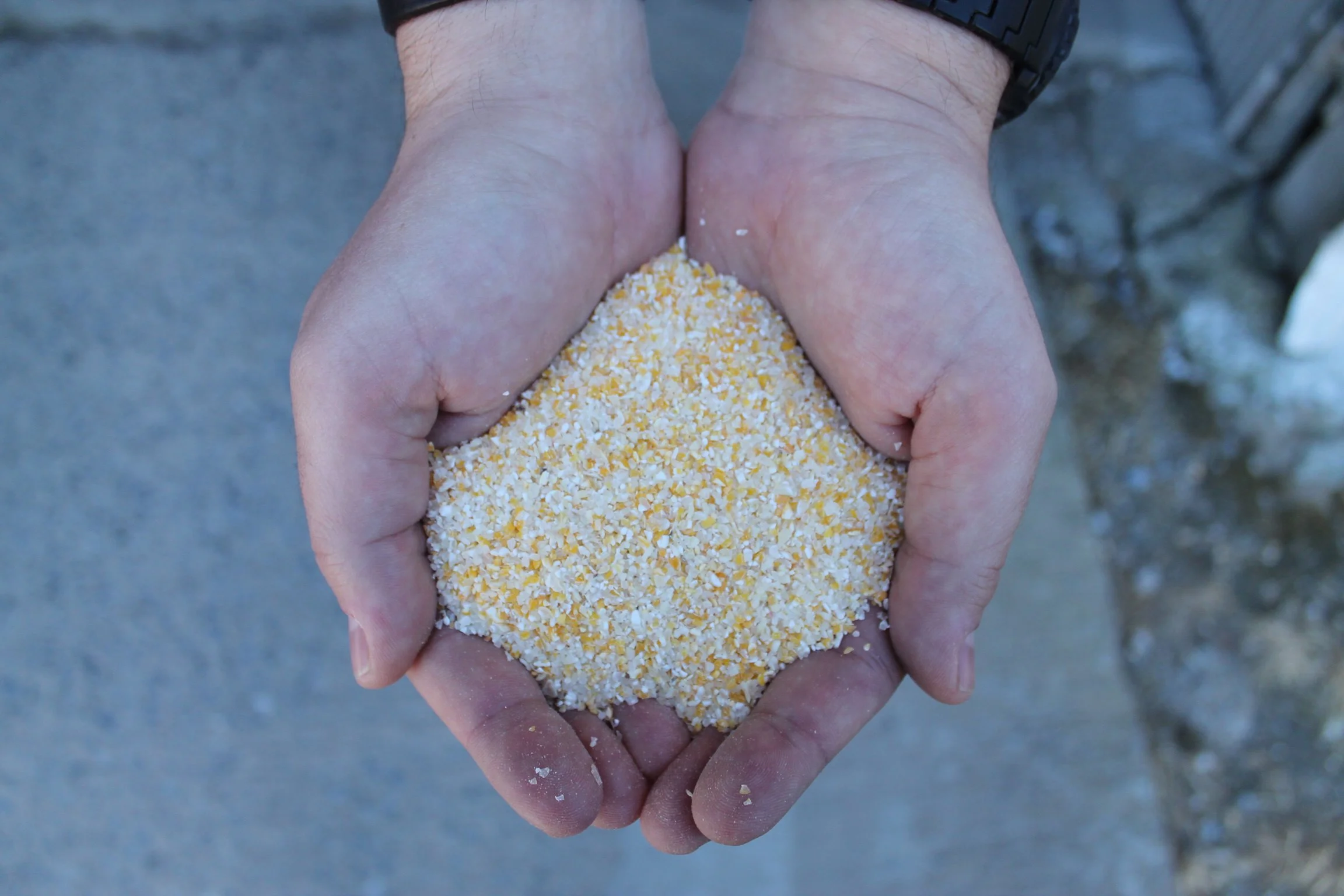

Our Stone-Ground Speckled Grits are crafted in small batches from a unique blend of certified organic white and yellow corn, producing a rich, nuanced flavor and a naturally speckled appearance. This blend balances the mild sweetness of yellow corn with the delicate creaminess of white corn, creating a versatile grits experience that is hearty, comforting, and subtly complex. Perfect for chefs, home cooks, and Southern food enthusiasts, these grits offer a classic yet elevated approach to everyday grits dishes. As Frank Sr. says, “for those who can’t make up their mind between white and yellow grits.”
